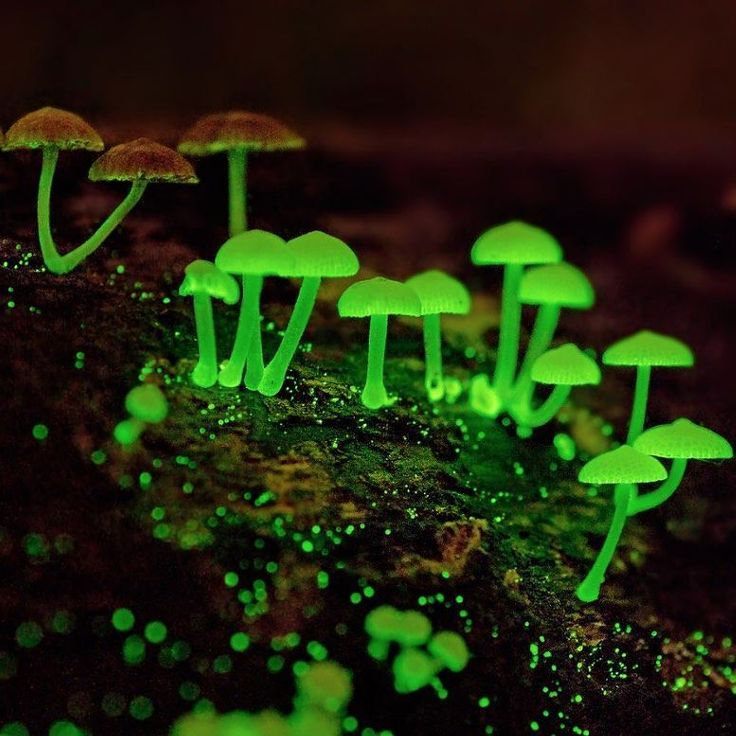
The mushroom is only the visible tip. Gulce Tekin explores the hidden mycelium beneath the soil and the debated idea of a forest-wide underground network.
Looking beneath the mushroom
Gulce Tekin, a nature enthusiast and scientist, invites readers to look beyond the mushroom. What we see above ground is only the fruiting body, built to release spores, while the main body of a fungus is the mycelium, a network of thread-like hyphae that she says can make some fungi, such as Armillaria ostoyae, enormous.
She describes the variety of fruiting bodies, including puffballs, morels and bracket fungi, and notes that some fungi, like arbuscular mycorrhizal ones, produce none at all.
The mycelium is the way fungi absorb nutrients and break down organic matter. Tekin separates two main kinds: mycorrhizal fungi, which trade minerals with plant roots for sugars, and saprophytic fungi, which feed on decaying material and recycle nutrients.
She ends with the Wood Wide Web, the idea that trees share resources and even warnings through fungal networks. She stresses that scientists still debate how strong the evidence is, so the story keeps wonder and caution side by side.
_This story was written by Gulce Tekin for Untold Wildlife, our partner in bringing overlooked conservation stories to more people._