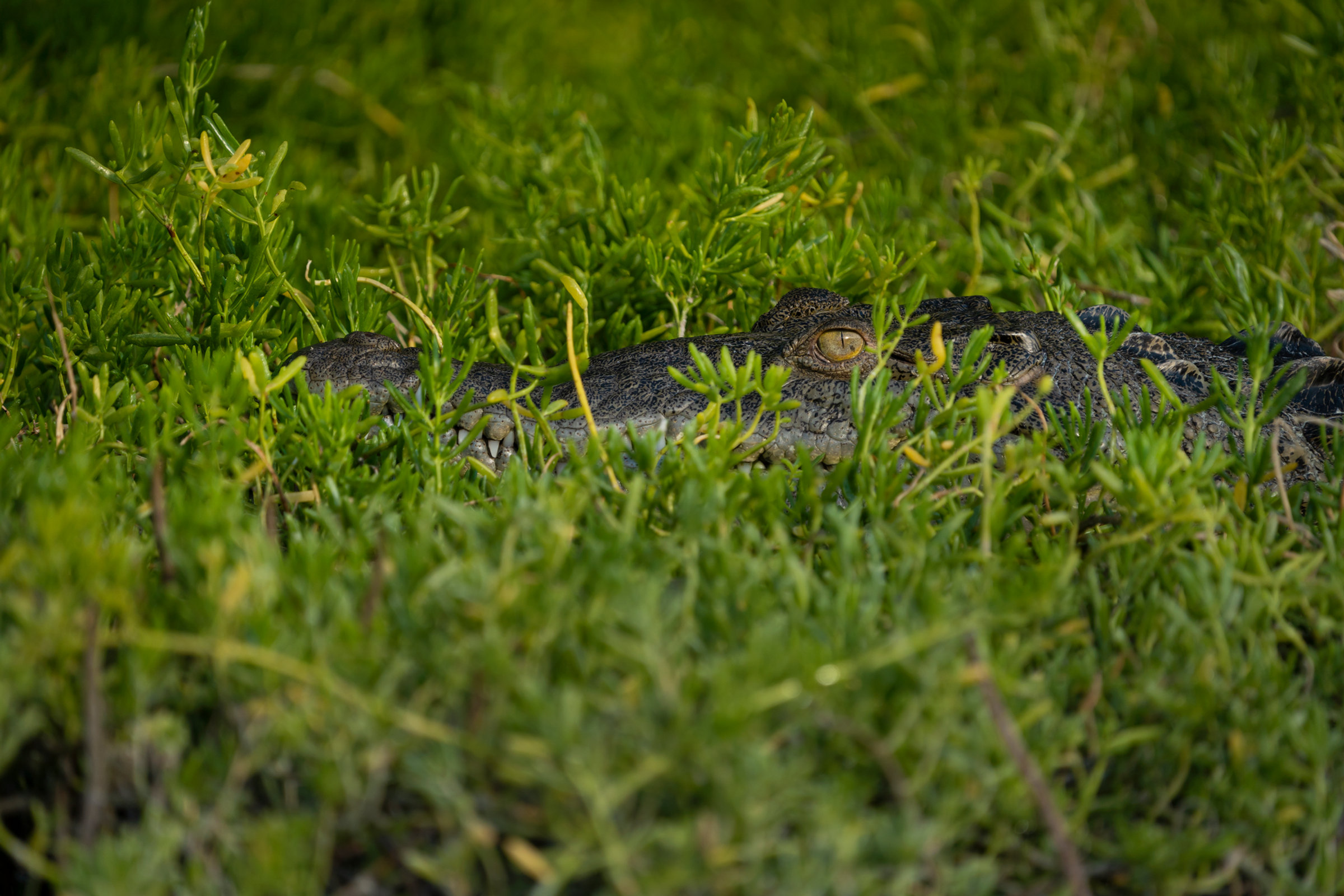
On a car-free island where flamingos still wade the shallows, conservation photographer Tamara Blazquez Haik sees both the pressure of development and a community fighting back.
A fragile refuge on the Yucatán coast
Tamara Blazquez Haik, a conservation photographer and storyteller, has travelled to Mexico's Yucatán Peninsula for about ten years. She went back in December 2023 to photograph American flamingos, and found hotels and apartment blocks rising on the wetlands around Mérida, Progreso and Sisal. She links the change to growing tourism and to the Maya Train, which brought deforestation and more roads, and with them more animals killed by vehicles.
Her story then turns to Holbox Island, which she sees as one of the last semi-pristine refuges for wildlife in the region. The town covers only a small share of the island, the rest is mangrove, beach and estuary, and the Yum Balam reserve protects much of it. She describes crocodiles, herons and a few flamingos, but also plastic waste, garbage-hunting raccoons that get poisoned, and a whale shark tourism trade she calls controversial.
She finishes on a hopeful note. Local tour operators and guides organise cleanups, and she argues that community-led, sustainable tourism can still protect fragile ecosystems.
_This story was written by Tamara Blazquez Haik for Untold Wildlife, our partner in bringing overlooked conservation stories to more people._