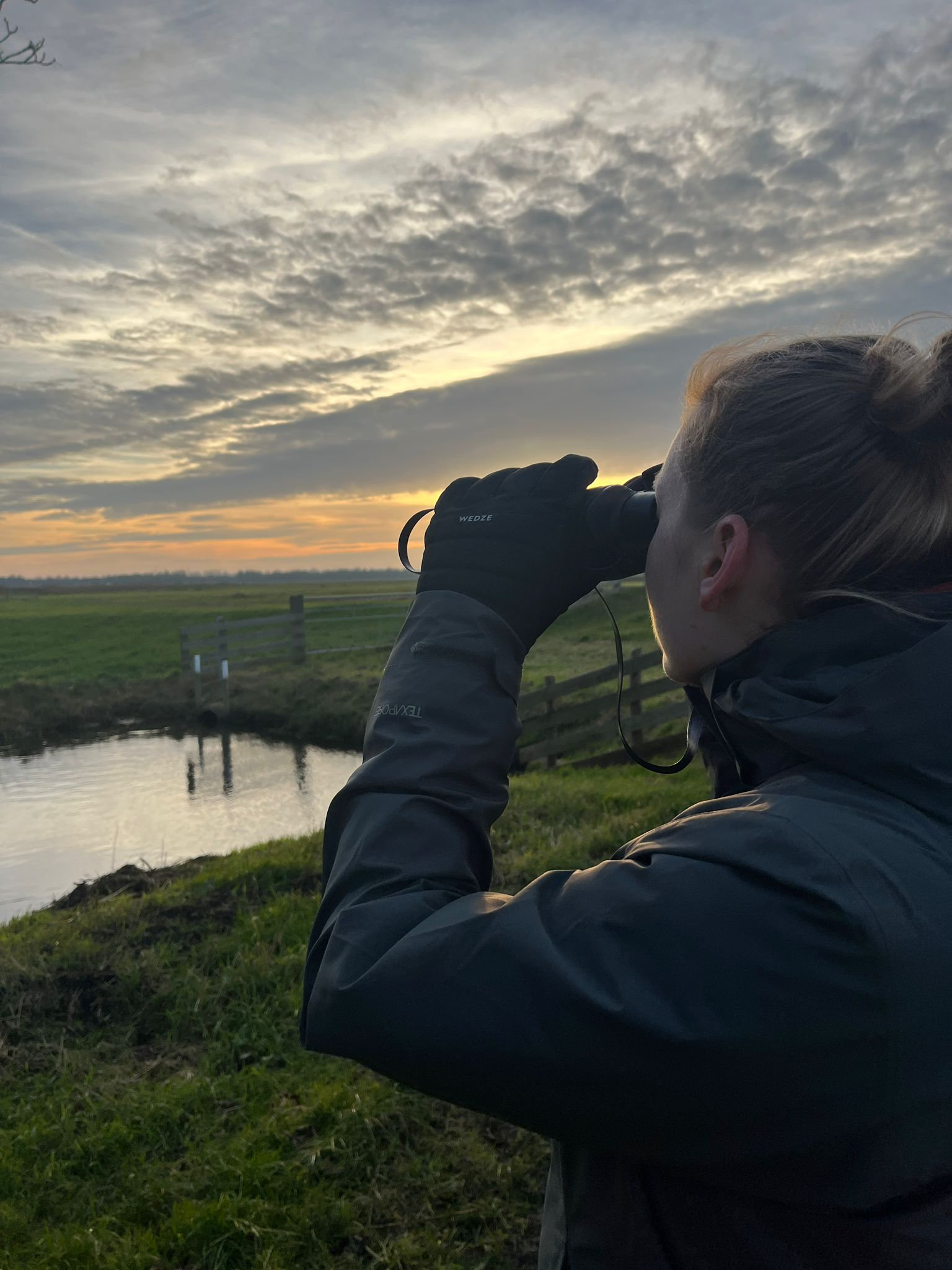
Before the footage comes the patience. Filmmaker Jura Bakx explains how slowing down and paying attention shapes every wildlife film, and how anyone can learn it.
Learning to see before you film
Dutch wildlife filmmaker Jura Bakx tells a story about a habit he has kept since childhood: stopping to look closely. He traces it back to a visit to South Africa when he was nine, when he first filmed nature on a camcorder, and says it became clear to him on a group walk where he kept pausing to read tracks and listen.
He argues that noticing is a necessity in wildlife filmmaking, not a bonus. Detail shots, such as wind in grass or the glint in an animal's eye, bring a scene to life, but they only come to people who practise looking. He points to documentary crews who tracked snow leopards or waited for humpback whales to feed, and shares his own experience with a lion pride, where one lioness yawning warned him the group was about to move.
He closes by saying noticing is for everyone: look up and down, listen, smell the air, and follow a bird to see where it nests.
_This story was written by Jura Bakx for Untold Wildlife, our partner in bringing overlooked conservation stories to more people._