Photo: Bryce McQuillan
Feravox · The Voice of the Wild
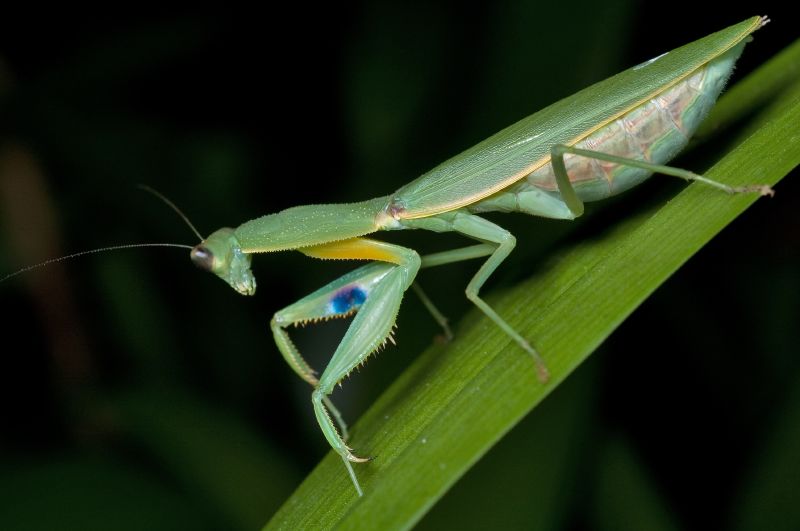
New Zealand Mantis
Orthodera novaezealandiae
LC
The New Zealand Mantis, scientifically known as Orthodera novaezealandiae, is a striking insect that showcases the rich biodiversity of its native habitat. Characterized by its elongated body, which can reach up to 8 centimeters in length, this mantis features vibrant green coloration that provides perfect camouflage among the lush foliage of New Zealand's temperate forests. With large, bulging eyes and raptorial forelegs, it is a master of ambush predation, lying in wait for unsuspecting prey. The New Zealand Mantis is primarily nocturnal, emerging under the cover of darkness to hunt a variety of insects, including flies, moths, and even other mantises. One surprising trait of this species is its ability to change its coloration slightly, blending in more effectively with its surroundings based on the environment, a fascinating adaptation that enhances its hunting success and evasion from predators. Inhabiting diverse ecosystems ranging from coastal scrublands to dense forests, the New Zealand Mantis thrives in regions with abundant vegetation. This adaptability allows it to occupy various microhabitats, from the understory of forests to the edges of gardens and urban areas. Their reproductive behavior is equally captivating; females often exhibit sexual cannibalism, consuming the male after mating, a strategy that may enhance their reproductive success by providing the female with additional nutrients. Observing this intricate dance of life, one cannot help but marvel at how such a small creature plays a significant role in its ecosystem, influencing both the population dynamics of its prey and the overall health of its habitat.
Real sounds, daily wild facts, games and good news from nature. Free on Feravox.