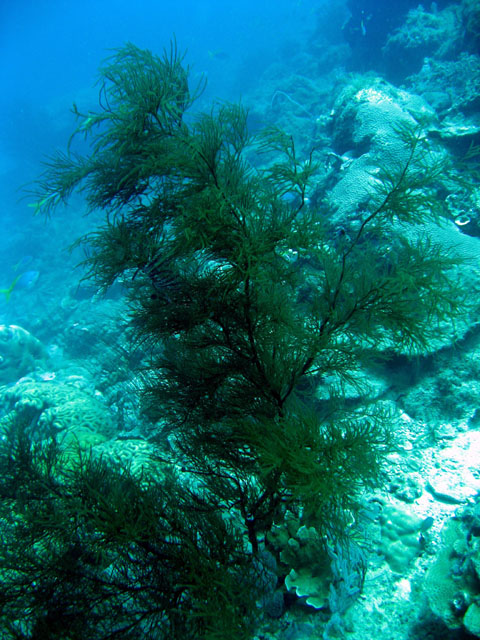
Photo: Anders Poulsen, Deep Blue (/)
Feravox · The Voice of the Wild
Black Coral
Antipathes dichotoma
Near Threatened
Black Coral (Antipathes dichotoma) lives in deep sea reefs across Tropical waters. It feeds on small fish and plankton. Its conservation status is Near Threatened.
Every fact above was checked against these pages, and kept only where one of them states it.
The black coral, known scientifically as Antipathes dichotoma, is a strikingly beautiful yet enigmatic marine species that thrives in the depths of the ocean. This colonial organism, often resembling an intricate, dark lacework, can grow to impressive heights, with branches that twist and turn, creating a habitat for various marine life. Typically found in deep waters ranging from 40 to 300 meters, these corals prefer nutrient-rich environments where they can capture plankton and other organic materials drifting by. Unlike many corals, black corals do not rely on symbiotic algae for nourishment; instead, they are active filter feeders, using their stinging tentacles to ensnare prey that passes within reach. This unique adaptation allows them to flourish in environments where light is scarce, making them a vital component of the deep-sea ecosystem, often serving as a nursery for juvenile fish and other marine species. One surprising trait of black corals is their remarkable longevity; some specimens are believed to live for over 4,000 years, making them one of the oldest living organisms on Earth. This incredible lifespan is not just a testament to their resilience but also highlights their vulnerability to environmental changes. As they grow slowly and take decades to reach maturity, any disturbance to their habitat can have drastic consequences. The delicate balance of their deep-sea environment, combined with their unique feeding habits, creates a complex interplay of life that captivates scientists and enthusiasts alike, revealing the intricate web of relationships that define the ocean's depths and the secrets still waiting to be uncovered.
Real recorded sounds, 11 nature games and a free Daily 5, 1v1 quiz duels, conservation wins and a safe Kids mode. Free on Feravox.