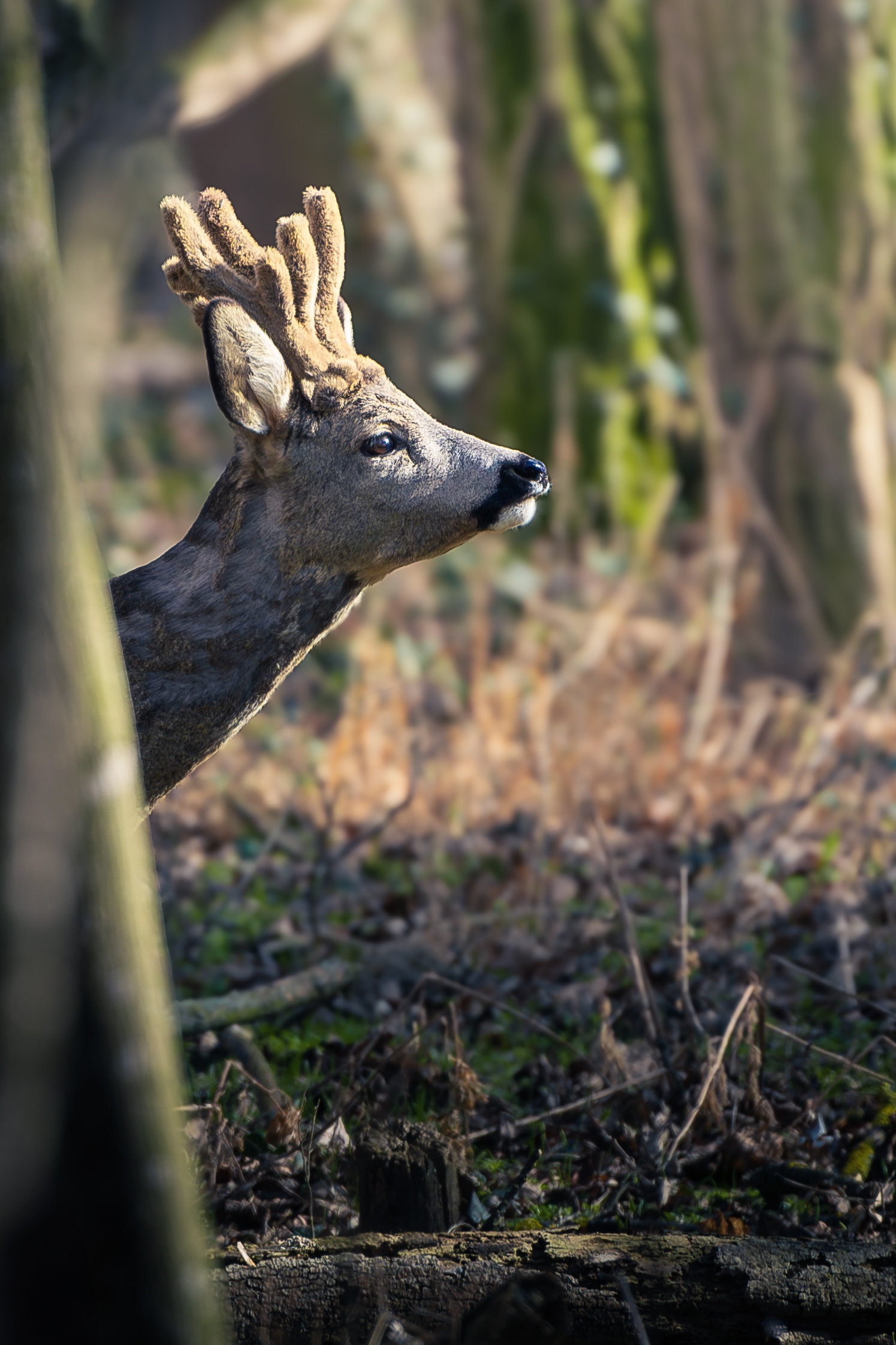
From deer in the Prater to hamsters in a giant cemetery, photographer Nikolai Goritschnig shows how Vienna's wild animals have found ways to live alongside the city.
Four animals making a home in Vienna
Nikolai Goritschnig is a wildlife photographer from Liechtenstein who now lives in Vienna, Austria. His story uses the city's parks and green spaces to show how animals cope when towns grow into their habitat.
He starts with the roughly 200 deer of the Prater park, which are used to people because they are not hunted there, and which feed on a wide range of ornamental plants. He then moves to the Zentralfriedhof cemetery, where the endangered European hamster finds quiet and space to raise its young. Foxes, he says, use buildings and undergrowth for shelter and hunt mostly at night, while pheasants, introduced to Europe long ago, have taken to nesting in trees in the city.
The author reminds us that these animals still face habitat loss, pollution and climate change. As a photographer, he wants his images to show their resilience and inspire people to protect the places they live, and he ends with a quote from Sir David Attenborough about children and nature.
_This story was written by Nikolai Goritschnig for Untold Wildlife, our partner in bringing overlooked conservation stories to more people._