Feravox · The Voice of the Wild
Pacific Oyster: a two-minute wildlife lesson
A Pacific oyster can switch between male and female from one year to the next, usually during the winter.
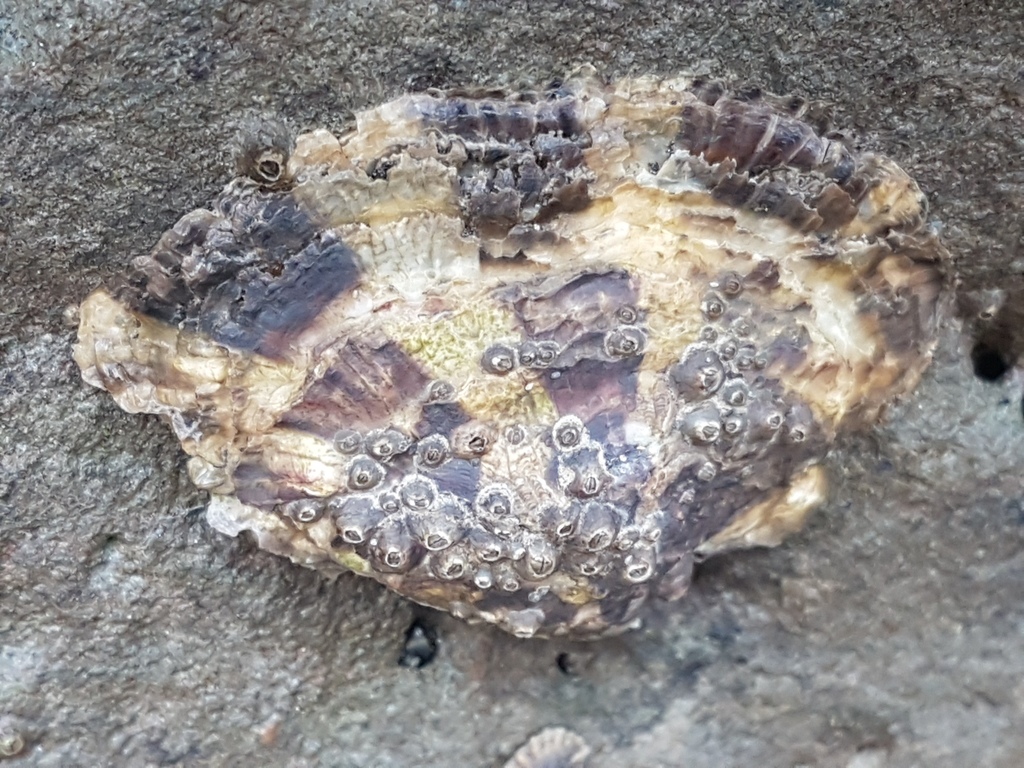
Crabs and Shells · day 2 of 7
Five facts
- A Pacific oyster can switch between male and female from one year to the next, usually during the winter.
- In one spawning, a female releases about 50 to 200 million eggs, which drift off into the water like a small cloud.
- A baby oyster swims until it finds a good spot. Then it glues itself down for good, with cement made by a gland in its foot.
- This oyster copes with water from −1.8 °C, just below freezing, all the way up to a warm 35 °C.
- Before the Tokyo Olympics, 14 tonnes of these oysters had to be cleared off the rowing and canoeing equipment.
The quiz
1. What can a Pacific oyster change from year to year?
- Its colour
- Whether it is male or female (correct)
- The number of its shells
- Its home ocean
Its sex can change from one year to the next, usually in winter.
2. About how many eggs does a female release in one spawning?
- About 10
- About 1,000
- About 50,000
- 50 to 200 million (correct)
A female releases about 50 to 200 million eggs in a single spawning.
3. How does a young oyster attach itself to its new home?
- With cement from a gland in its foot (correct)
- With sticky threads it spins
- By digging into the sand
- By holding on with tiny claws
It glues itself down for good with cement from a gland in its foot.
4. What is the warmest water temperature this oyster can withstand?
- 15 °C
- 20 °C
- 35 °C (correct)
- 60 °C
It can withstand water from −1.8 °C up to 35 °C.
5. Where were 14 tonnes of Pacific oysters found before the Tokyo Olympics?
- Inside the swimming pool
- Under the athletes' village
- On the running track
- On the rowing and canoeing equipment (correct)
They had grown on the equipment for rowing and canoeing.
Same week
Today’s lesson is waiting
Two minutes a day, a new wild animal. Free on iPhone, Android and the web.
Hear them, don't just read about them
Feravox is a free wildlife app: 4,400+ species with real recorded sounds, 11 nature games and a free Daily 5, 1v1 quiz duels, conservation wins, and a safe Kids mode.
Nature documentaries
Blue Planet III2026 · BBC OnePlanet Earth III2023 · BBC OneBlue Planet II2017 · BBC OnePlanet Earth II2016 · BBC OneFrozen Planet II2022 · BBC OneSeven Worlds, One Planet2019 · BBC OneMammals2024 · BBC OneSecret Garden2026 · BBC OneWild Isles2023 · BBC OneOur Planet2019 · NetflixOur Planet II2023 · NetflixThe Blue Planet2001 · BBC One