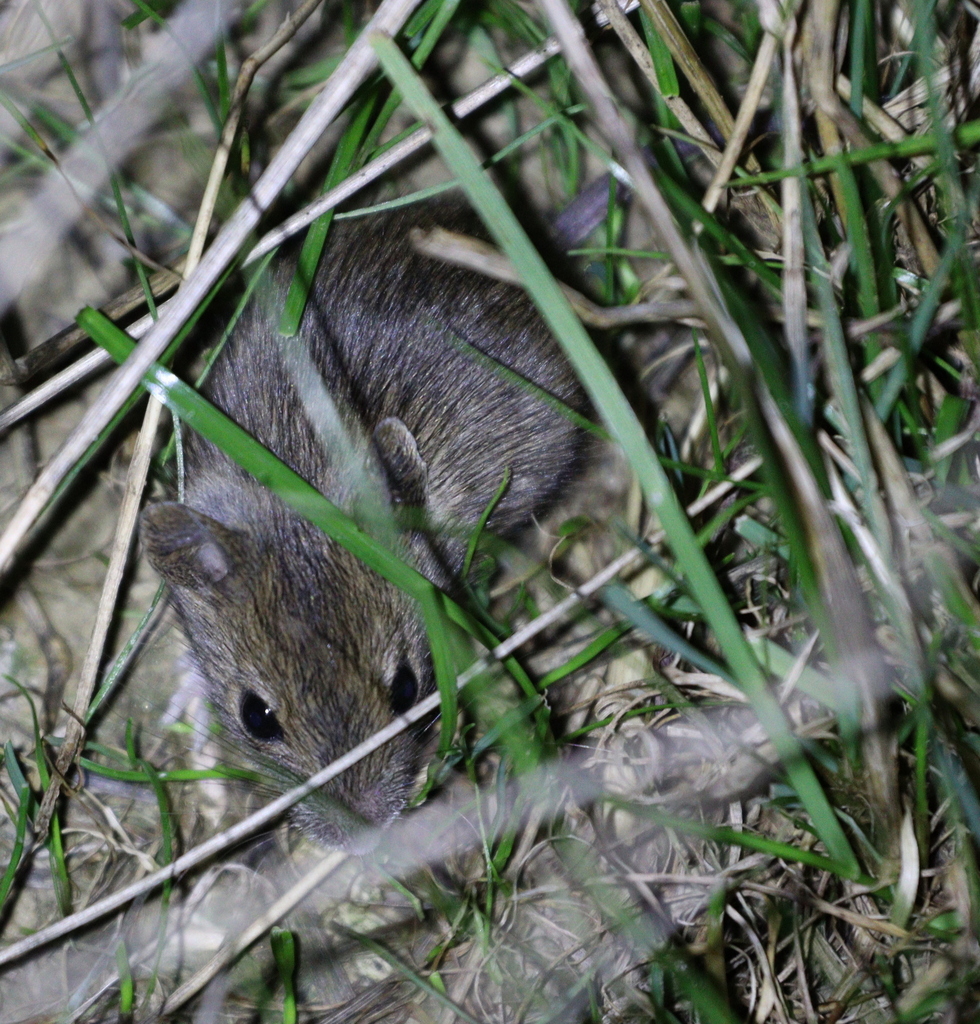
Mound-building Mouse (Mus spicilegus) lives in temperate grasslands across Southeastern Europe. It feeds on seeds and grains. Its conservation status is Least Concern.
Fascinating facts about the Mound-building Mouse
- In autumn the steppe mouse constructs mounds up to 4 m across, although most are only 1 to 2 m in diameter. The structures are built by groups of four to fourteen individuals that are closely related, usually through the mother's line. Construction takes two to three weeks and the mounds serve as winter homes for juveniles, with adults sometimes joining later. These earthen towers are a distinctive seasonal activity of Mus spicilegus.
- Each mound hides storage chambers that can hold as much as 10 kg of seeds and grains, forming a substantial pantry beneath a nesting chamber. The food cache is built during the autumn when cereal crops and other seed-producing plants are maturing. Juvenile mice, three to four weeks old, are the primary builders of these stores, although adults may later share the space. This hidden store sustains the colony through the winter months.
- Habitats may contain up to twenty of these mounds per hectare, creating a dense network of food depots across the landscape. In particularly favourable conditions the density can rise well above this baseline, reflecting abundant seed supplies. The mounds are spaced across grassland, steppe, cultivated land and woodland borders, linking the mouse's foraging range. Such a high local concentration of stores supports multiple breeding cycles each year.
- Mound construction is carried out by juveniles only three to four weeks old, who use the structures as their winter shelter. New mounds are built between mid-August and mid-November, a period that coincides with the ripening of cereal crops and other seed-producing plants. The building phase lasts two to three weeks, after which the juveniles occupy the mound while adults may later cohabit the same winter home.
- Analyses have recovered seeds from 84 different plant species stored inside the mounds, showing the mouse's opportunistic foraging. These seeds are kept in storage chambers that can hold up to 10 kg of seeds and grains beneath a nesting chamber. The caches are assembled in autumn when cereals and other seed-bearing plants are at peak abundance, providing a substantial food reserve for the colony through winter.
Sources
Every fact above was checked against these pages, and kept only where one of them states it.
At a glance
RangeSoutheastern Europe
HabitatTemperate grasslands
DietSeeds and grains
About the Mound-building Mouse
In the sun-baked steppes, a diminutive yet determined creature weaves its intricate existence, the mound-building mouse sculpting elaborate underground labyrinths with meticulous dedication. As it scurries through the grasses, its tiny paws barely disturbing the soil, this unassuming architect constructs a subterranean realm of tunnels and chambers, a testament to its remarkable industry and perseverance. With each carefully placed grain of soil, the mouse crafts a haven from the harsh elements, a hidden world of remarkable complexity and beauty.
Hear the Mound-building Mouse, and 4,400+ more
Real recorded sounds, 11 nature games and a free Daily 5, 1v1 quiz duels, conservation wins and a safe Kids mode. Free on Feravox.