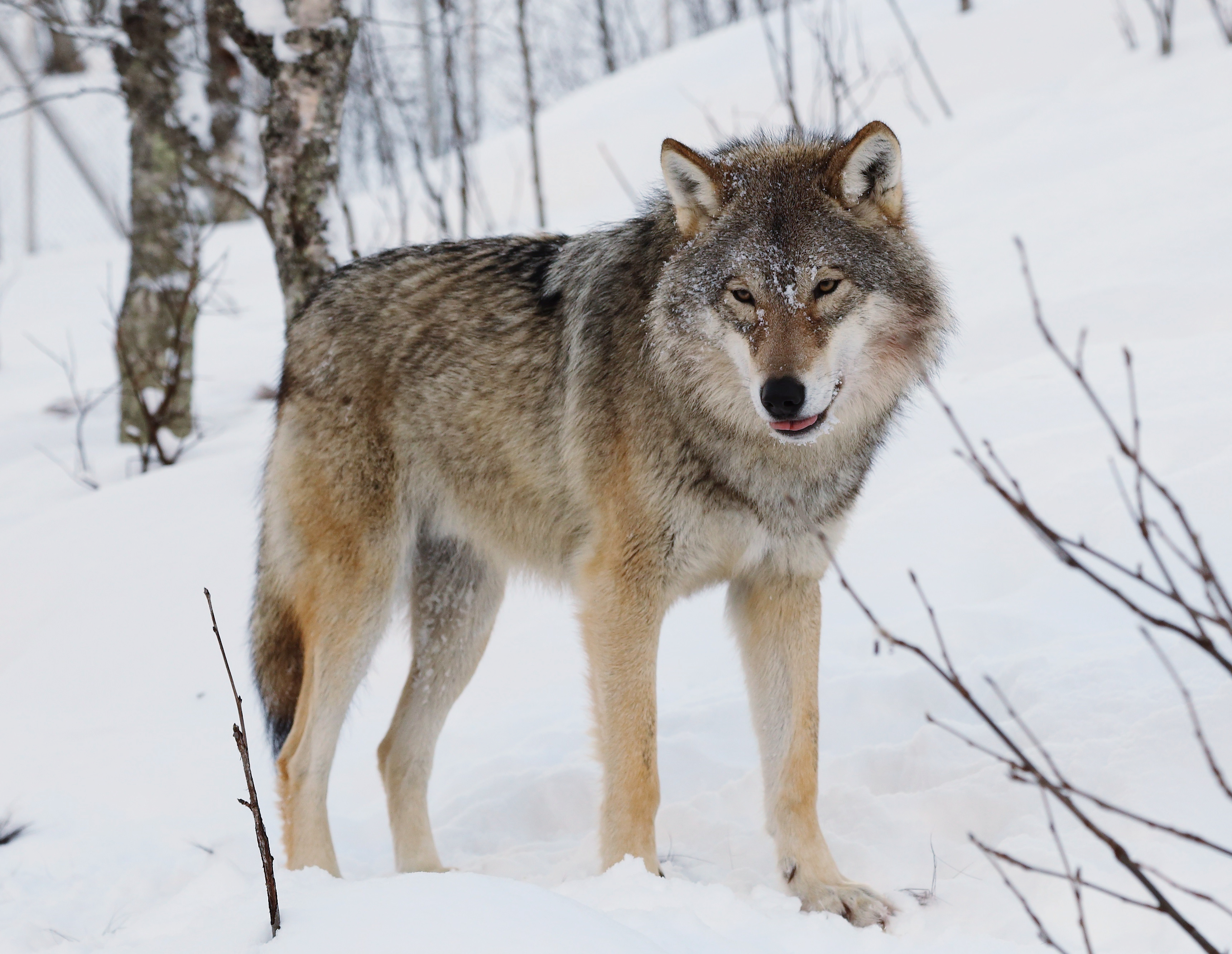
After centuries of persecution that left Western Europe almost wolfless, the gray wolf has staged one of conservation's most dramatic comebacks. From France to Germany to Switzerland, wolves are recolonising their ancestral range — and reshaping entire ecosystems as they go.
Exterminated, Then Returned
By the mid-20th century, the gray wolf had been hunted to extinction across almost all of Western Europe. In France, the last wolf was shot in the 1930s. In Germany, they had vanished even earlier. For sixty years, the silence held.
Then, in 1992, a lone wolf crossed the Alps from Italy into France — on its own, without any reintroduction programme. It just walked back.
>> "Wolves don't need human permission to return. They need human tolerance — and the law to enforce it."
The Numbers Today
France now holds over 1,000 wolves, a population grown entirely through natural dispersal. Germany, which confirmed its first wild wolf in over 150 years in 2000, now counts more than 200 packs across the country. Switzerland, Belgium, the Netherlands, and Denmark have all recorded wild wolves within the last decade.
The legal foundation is the EU Habitats Directive, which gives wolves strict protection in most member states. Killing a wolf without authorisation is illegal — and that protection, imperfect as enforcement remains, has been the single biggest factor in the recovery.
What Wolves Rebuild
Wolves don't return alone. Their presence changes everything they touch. Where wolves recolonise, deer shift their grazing patterns. Riverbanks stabilise. Willows and aspens regenerate. Songbirds return. Scientists call this a trophic cascade: one apex predator rewiring a whole ecosystem from the top down.
The most documented case is Yellowstone, where wolves were reintroduced in 1995 after a 70-year absence. Vegetation recovered. Beavers returned. Rivers — literally — changed course.
>> "The wolf is not a problem to be managed. It is a solution that nature has already deployed."
Wolf Passport Programmes
Across France, Germany, Italy, and Spain, conservation organisations now offer wolf passport and adoption schemes — symbolic sponsorships that fund GPS collar monitoring, livestock protection grants for farmers, and public education in rural areas.
Adopting a wolf doesn't give you a pet. It gives that wolf a territory, and that territory a future.
The wolves came back on their own. Whether they stay depends on whether we choose to let them.