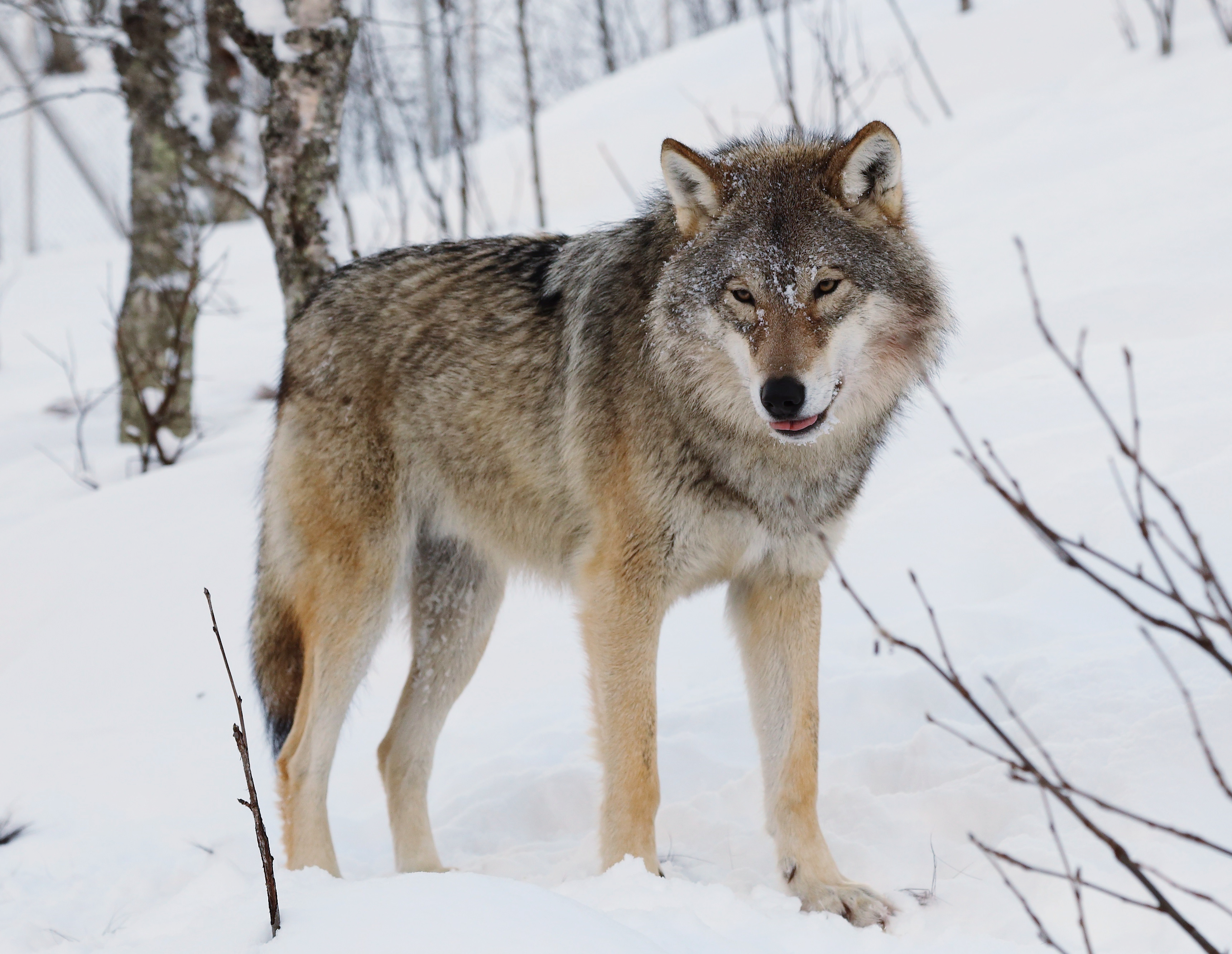
Without any human help, wolves have returned to Belgium, Netherlands, Denmark, and France. Wherever they walk, rivers heal, deer herds move, and biodiversity rebounds.
Europe's Quiet Return
No one moved them. No conservation team airlifted them across borders. Wolves — absent from much of Western Europe for over a century — simply walked back.
Since the early 2000s, packs have re-established themselves in Belgium, the Netherlands, Denmark, and France. In Germany, there are now over 160 packs. In Italy, the population has grown from fewer than 100 in the 1970s to over 3,000 today.
>> "The wolf doesn't ask for permission. It reads a landscape and decides whether it can survive."
The Trophic Cascade
When wolves return, everything changes. Deer and elk begin to avoid riverbanks where they can be ambushed — so willows and aspens grow back. The roots stabilise the riverbanks. The rivers slow down. Songbirds return. Beavers follow.
This is called a trophic cascade: one species reshaping an entire ecosystem from the top down. Yellowstone National Park documented it first. Europe is seeing it now.
The Conflict Is Real
Wolves kill livestock. Farmers lose animals they depend on. The tension between rewilding and rural livelihoods is one of the hardest problems in conservation.
The Global Rewilding Alliance works on both sides: protecting wolves, and protecting the farmers who live alongside them through compensation schemes, guardian dogs, and community engagement.