From a beach release of green turtle hatchlings at Mtwapa to divers who identify turtles by their faces, journalist Amos Kiarie follows the people protecting Kenya's sea turtles.
A chain of local work
Journalist Amos Kiarie reports on community-led efforts to save sea turtles along the Kenyan coast, home to green, hawksbill, olive ridley, loggerhead and leatherback turtles. He opens on Mtwapa beach, where a team releases hatchlings into the Indian Ocean.
There he meets Mike Mwaura Ali, who gave up fishing turtles after refusing to kill one as a young man. Ali's group, the Mtwapa Maweni Turtle Project, was founded in 2008 and officially authorized in 2020. It has about 50 members, mostly young people. In 2024 it handled 22 nests and sent over 8,000 hatchlings to the sea, though Ali says only about one in a thousand survives to adulthood.
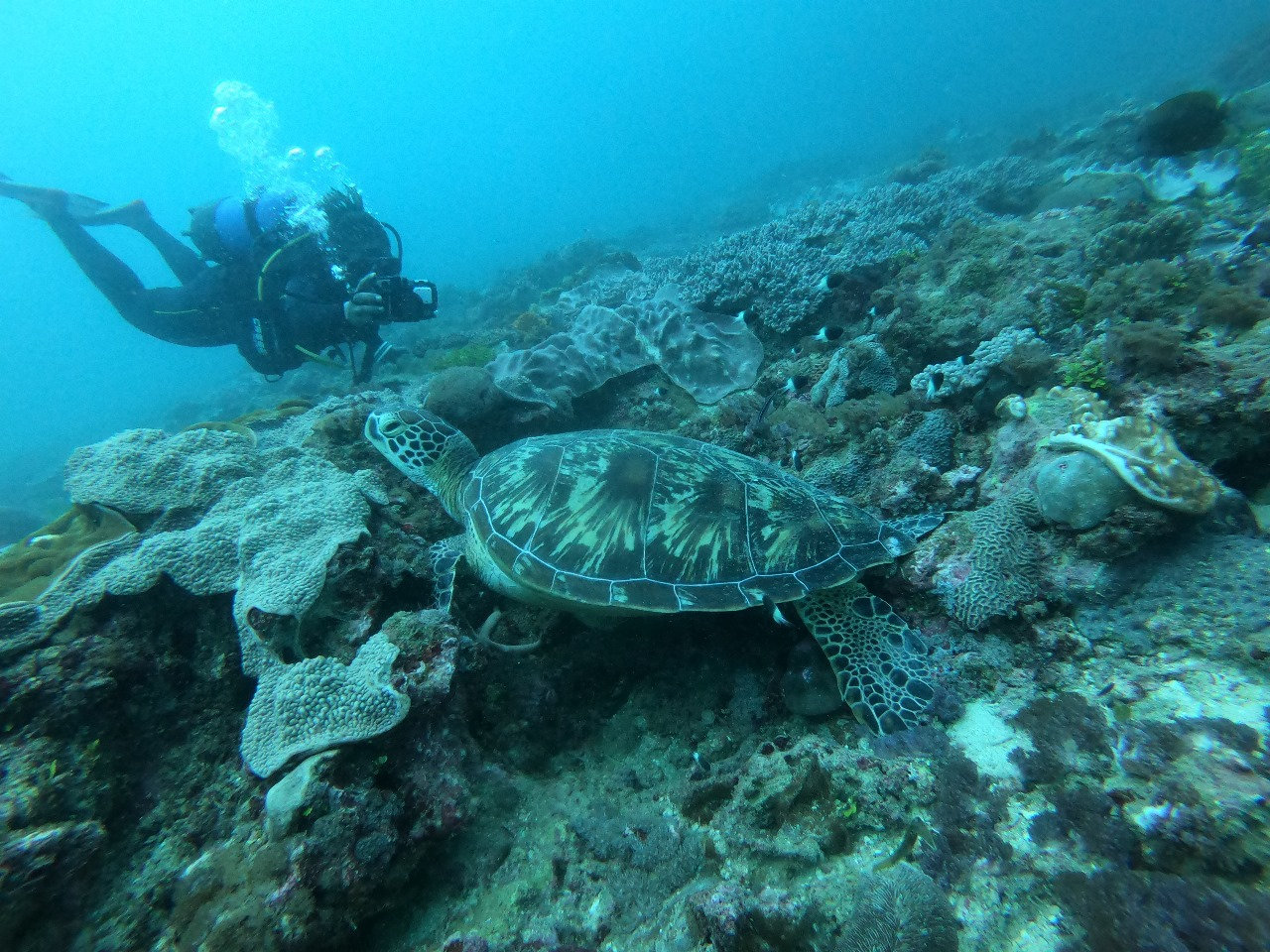
The story then moves offshore. Lilian Mulupi of IFAW points to a gap in data about turtles at sea, and the Olive Ridley Project Kenya is helping fill it. Diver Diana Kerubo Nyakundi photographs each turtle's facial pattern, much like a fingerprint, and logs the images in a global database. Kiarie also notes plastic and fishing gear among the threats.
_This story was written by Amos Kiarie for Untold Wildlife, our partner in bringing overlooked conservation stories to more people._