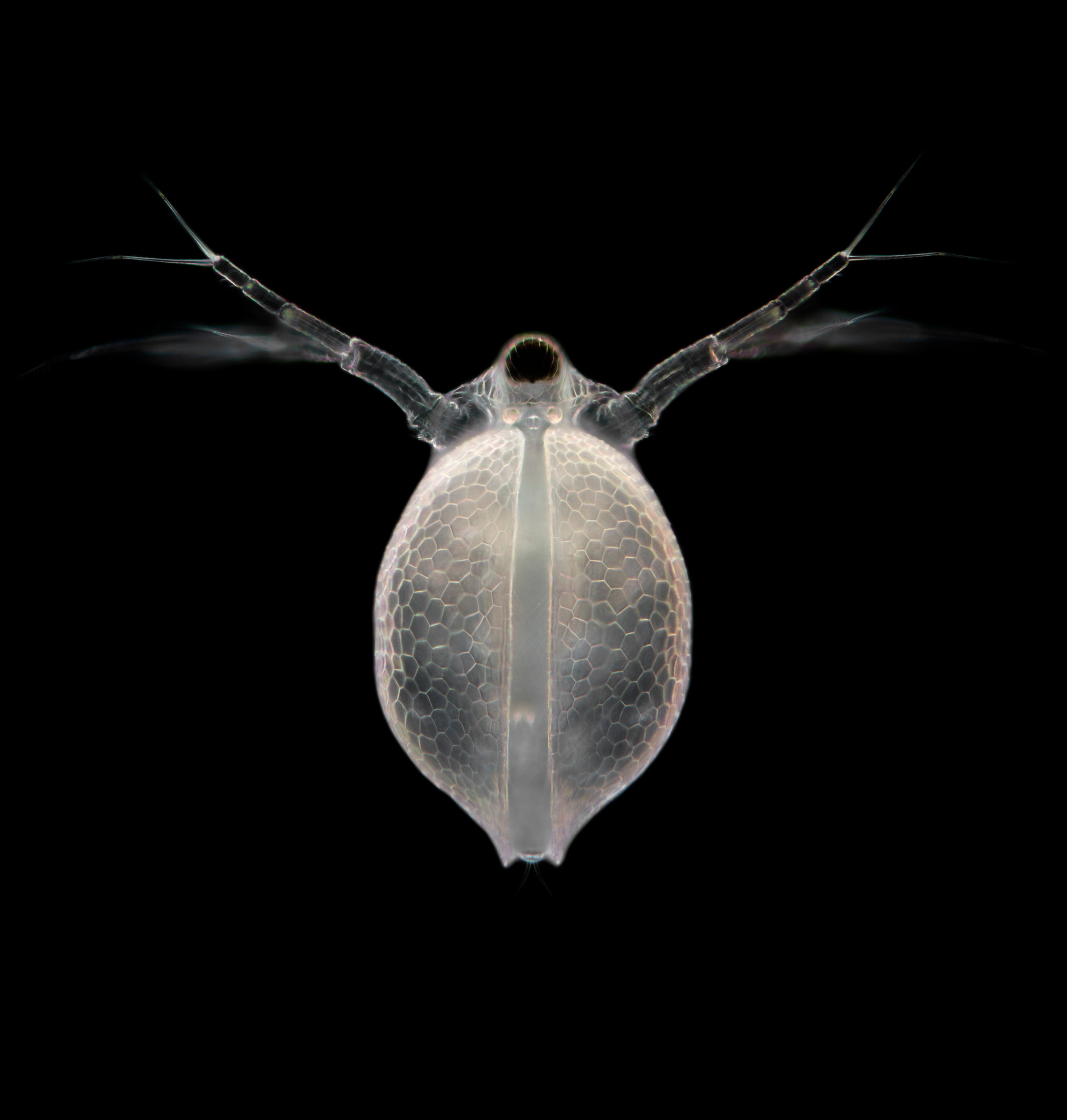
Lions and whales get the headlines, but filmmaker Iker Duro Linares argues that unseen life in water and soil keeps the air breathable, the water usable and the food growing.
The life too small to see
Nature videographer Iker Duro Linares, who specializes in the microscopic world, asks readers to widen what they think of as wildlife. He points out that we care about lions and whales without ever meeting them, and argues that microscopic organisms deserve the same attention because every other living thing depends on them.
He walks through three ways they matter. In the oceans, phytoplankton such as cyanobacteria and diatoms produce a large share of the oxygen we breathe and underpin aquatic food chains. In water, protozoa and rotifers keep bacteria in check, a job people copied in water purification plants. In the soil, bacteria, fungi, nematodes and springtails break down organic matter and release nutrients for plants.
He also shares a personal story: he barely used the microscope at home until after university, then became hooked on a world inside a single drop of puddle water. His father, Rubén Duro, brought the microscopic world into nature documentaries, and Iker hopes the tardigrade will one day get the recognition the lion has.
_This story was written by Iker Duro Linares for Untold Wildlife, our partner in bringing overlooked conservation stories to more people._