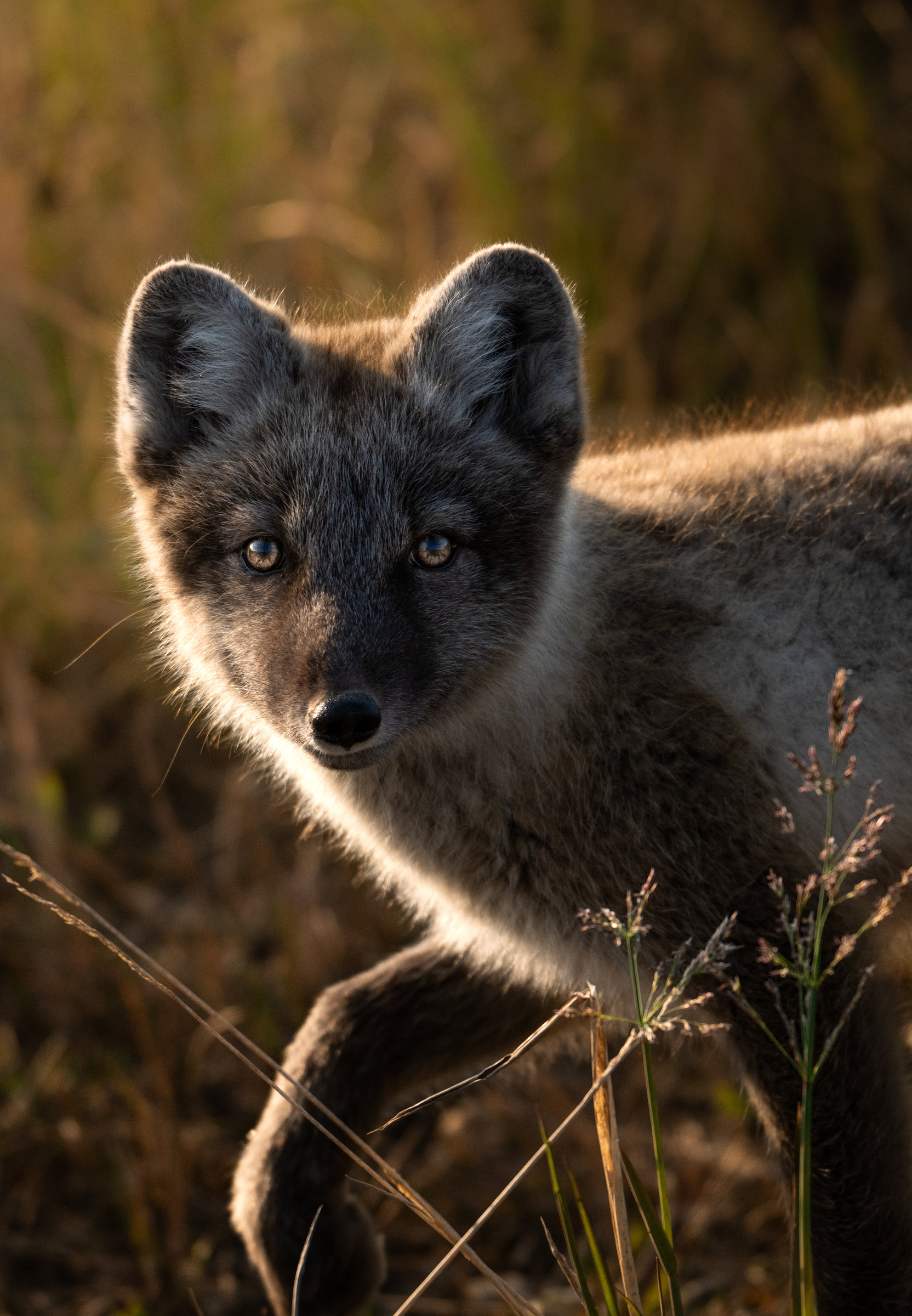
As the Arctic warms, the adaptable red fox is moving into ground the arctic fox has long held. Jacob Buck explains why the newcomer is winning.
A warming north favors the newcomer
Jacob Buck looks at how a warming Arctic is changing which fox does best. As sea ice melts, snow cover thins and thawing permafrost makes the ground less stable, the red fox, an animal that eats many foods and lives in many habitats, is moving into places once held by the arctic fox.
He explains why the newcomer has the upper hand. It is generally larger and more aggressive, copes well with less snow and more plants, and has been seen preying on arctic fox kits. The arctic fox, built for the cold tundra, can lose territory, food, shelter and young as the two species compete for the same prey.
Buck points to research in Svalbard, in parts of northern Canada and in Alaska, where red foxes have become more common. He closes by arguing for protecting Arctic habitat, steady monitoring of both species and, in some cases, active management to give arctic foxes a better chance.
_This story was written by Jacob Buck for Untold Wildlife, our partner in bringing overlooked conservation stories to more people._