Western Barbastelle: a two-minute wildlife lesson
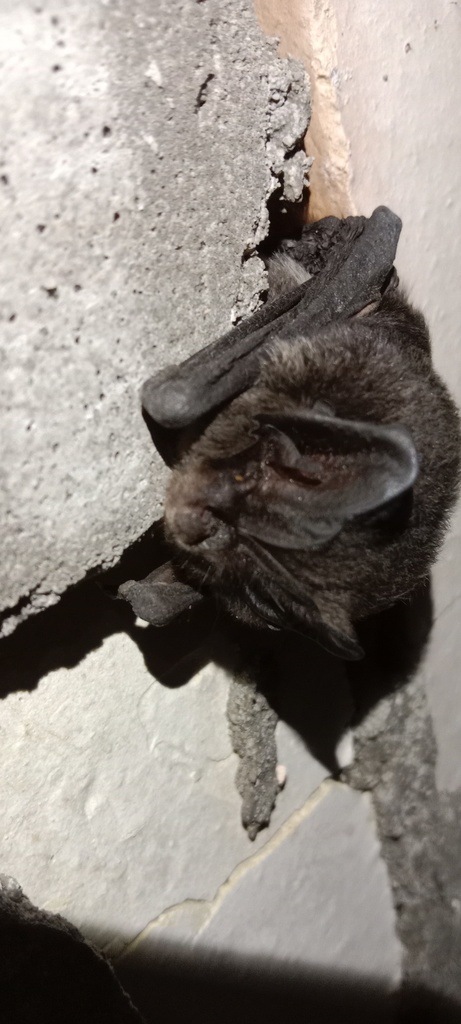
Its name may come from the Latin for beard. Seen from the side, its upper lip seems to wear a little beard or moustache.
Creatures of the Night · day 6 of 7
Five facts
- Its name may come from the Latin for beard. Seen from the side, its upper lip seems to wear a little beard or moustache.
- It is a picky eater. A study in Switzerland found that about 99% of what it caught was moths and butterflies.
- Many moths can hear bats coming. The barbastelle whispers: its calls are 10 to 100 times quieter than those of other bats that hunt in flight.
- It sends out two beams of sound: one downward through its open mouth and one upward through its nostrils.
- It copes well with cold. In winter it often hibernates in chilly, exposed spots in caves, mines, basements and even bunkers.
The quiz
1. What does the barbastelle's upper lip seem to have when seen from the side?
- A row of spines
- A beard or moustache (correct)
- A bright red stripe
- A long tusk
From the side its upper lip looks bearded, which may explain its name.
2. In the Swiss study, what made up about 99% of its prey?
- Beetles
- Spiders
- Mosquitoes
- Moths and butterflies (correct)
About 99% of its prey by volume were Lepidoptera, the moths and butterflies.
3. Why are the barbastelle's hunting calls so quiet?
- So moths do not hear it coming (correct)
- Because it has a sore throat in winter
- To avoid waking its babies
- Because it hunts only in daylight
Quieter calls stop moths from noticing it early and fleeing.
4. Where does the barbastelle's upward beam of sound come out?
- Its ears
- Its wings
- Its nostrils (correct)
- Its chest
The upward calls come from its nostrils, the downward ones from its mouth.
5. Where does the barbastelle often hibernate?
- In warm, hidden nests
- In chilly, exposed spots (correct)
- Underwater
- In hot desert sand
It handles cold well and is often found in cold, exposed places.
More about the Western Barbastelle
Same week
Today’s lesson is waiting
Two minutes a day, a new wild animal. Free on iPhone, Android and the web.
Hear them, don't just read about them
Feravox is a free wildlife app: 4,400+ species with real recorded sounds, 11 nature games and a free Daily 5, 1v1 quiz duels, conservation wins, and a safe Kids mode.