Grey-headed Flying Fox: a two-minute wildlife lesson
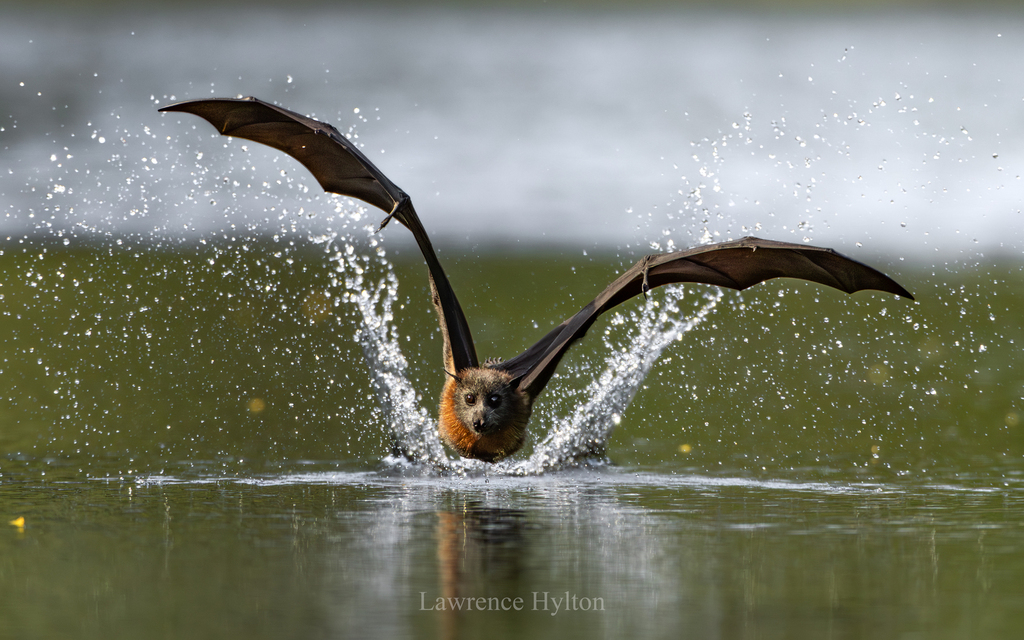
Australia's largest bat can have wings up to 1 m across and weigh up to 1 kg. A golden-orange collar rings its neck.
Creatures of the Night · day 4 of 7
Five facts
- Australia's largest bat can have wings up to 1 m across and weigh up to 1 kg. A golden-orange collar rings its neck.
- It does not use echoes to find food. It sniffs and, above all, looks for nectar, pollen and fruit, so it has big eyes for a bat.
- On hot days it fans its wings. Blood flowing through the thin skin of the wings helps it cool down.
- It roams after trees that burst into flower, spreading pollen and seeds for over 100 kinds of native trees and plants.
- Bats that leave the roost early are at more risk from predators, so some wait for others to go first. Scientists call it the after-you effect.
The quiz
1. What colour is the collar around the grey-headed flying fox's neck?
- Pure white
- Bright blue
- Golden orange (correct)
- Jet black
A broad golden-orange collar goes all the way round its neck.
2. How does it mainly find its food?
- By echolocation
- By sight and smell (correct)
- By feeling with its whiskers
- By following bees
It does not echolocate and relies on smell and mostly sight.
3. What does it do to cool off in hot weather?
- Flaps its wings (correct)
- Dives into rivers
- Digs into cool soil
- Sleeps in caves all day
Flapping moves blood through its wing skin, which cools its body.
4. For how many kinds of native trees and plants does it spread pollen and seeds?
- Only 1
- About 5
- Over 100 (correct)
- About 10
It is a key pollinator and seed spreader for over 100 native species.
5. Why do some flying foxes wait for others to leave the roost first?
- Early leavers are more at risk from predators (correct)
- They are too young to fly
- The fruit is not ripe yet
- They have to finish grooming the babies
Leaving early is riskier, which scientists call the after-you effect.
More about the Grey-headed Flying Fox
Same week
Today’s lesson is waiting
Two minutes a day, a new wild animal. Free on iPhone, Android and the web.
Hear them, don't just read about them
Feravox is a free wildlife app: 4,400+ species with real recorded sounds, 11 nature games and a free Daily 5, 1v1 quiz duels, conservation wins, and a safe Kids mode.