Feravox · The Voice of the Wild
House Sparrow: a two-minute wildlife lesson
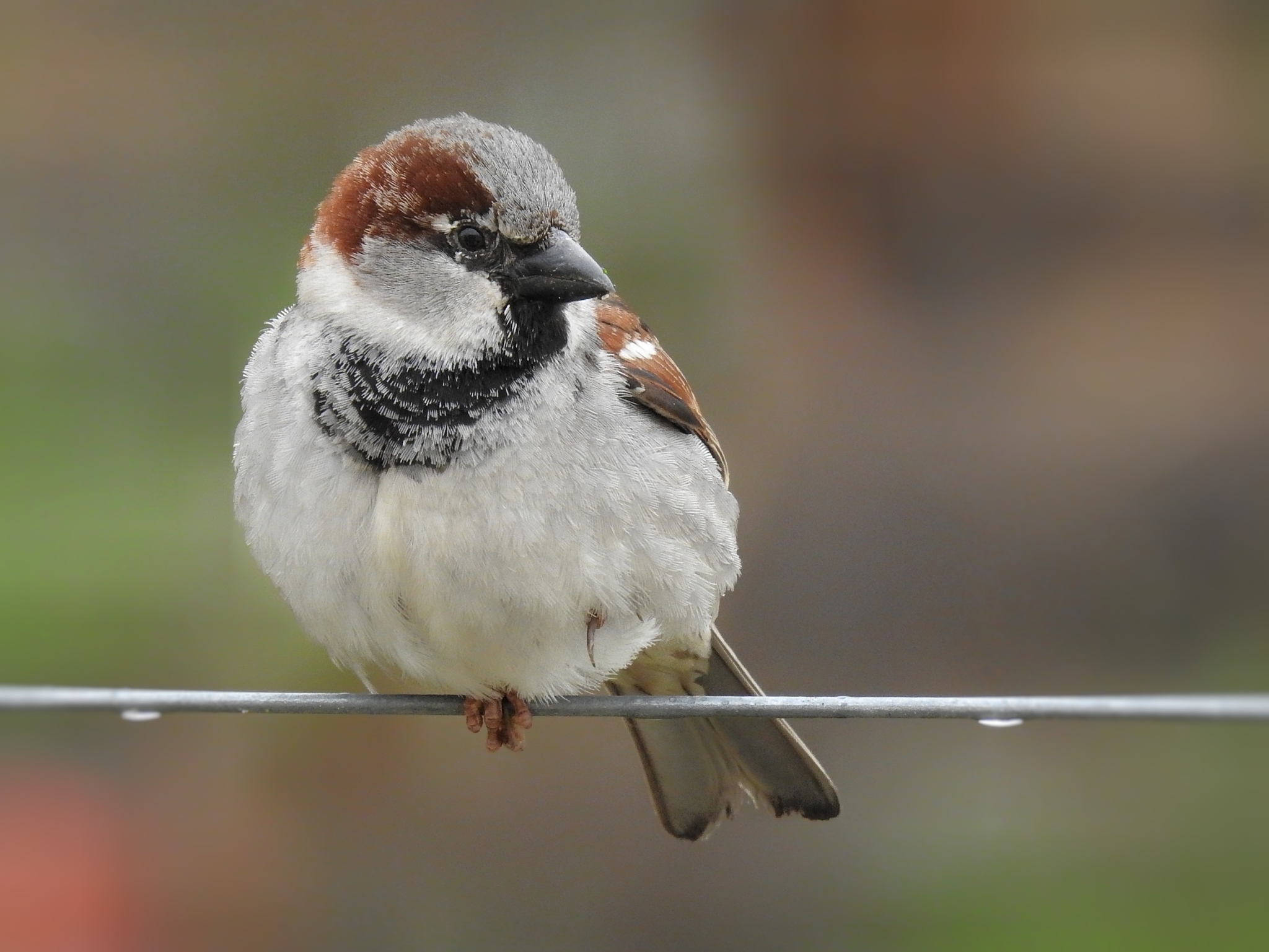
House sparrows take dust or water baths together, and hold "social singing" sessions, calling together in bushes.
Garden Birds · day 5 of 7
Five facts
- House sparrows take dust or water baths together, and hold "social singing" sessions, calling together in bushes.
- Female sparrows are smaller, yet they rule at feeders and nests, and in the breeding season they may fight each other over males.
- Male house sparrows wear a black throat patch called a "bib". Its size varies, and it may show a bird's rank or fitness.
- In 1852, sparrows from England were let loose in New York City, in the hope they would stop linden moth caterpillars eating the trees.
- Where it is introduced, the house sparrow can spread fast, sometimes at over 230 km a year.
The quiz
1. What do house sparrows do together in bushes?
- Build shared nests
- Share seeds
- Hide from rain
- Sing together (correct)
They hold "social singing" sessions, calling together in bushes.
2. Who is dominant at sparrow feeding stations and nests?
- The females (correct)
- The males
- The oldest birds
- The youngest birds
Females are dominant despite their smaller size.
3. What may the size of a male sparrow's black bib signal?
- Tomorrow's weather
- His rank or fitness (correct)
- Where food is hidden
- How deep the snow is
The black bib varies in size and may signal a male's rank or fitness.
4. In what year were sparrows from England released in New York City?
- 1752
- 1902
- 1852 (correct)
- 1952
Sparrows from England were let loose in New York City in 1852.
5. How fast can an introduced house sparrow population spread?
- About 2 km a year
- About 20 km a year
- About 20 km a month
- Over 230 km a year (correct)
It can spread sometimes at over 230 km a year.
Same week
Today’s lesson is waiting
Two minutes a day, a new wild animal. Free on iPhone, Android and the web.
Hear them, don't just read about them
Feravox is a free wildlife app: 4,400+ species with real recorded sounds, 11 nature games and a free Daily 5, 1v1 quiz duels, conservation wins, and a safe Kids mode.
Nature documentaries
Blue Planet III2026 · BBC OnePlanet Earth III2023 · BBC OneBlue Planet II2017 · BBC OnePlanet Earth II2016 · BBC OneFrozen Planet II2022 · BBC OneSeven Worlds, One Planet2019 · BBC OneMammals2024 · BBC OneSecret Garden2026 · BBC OneWild Isles2023 · BBC OneOur Planet2019 · NetflixOur Planet II2023 · NetflixThe Blue Planet2001 · BBC One