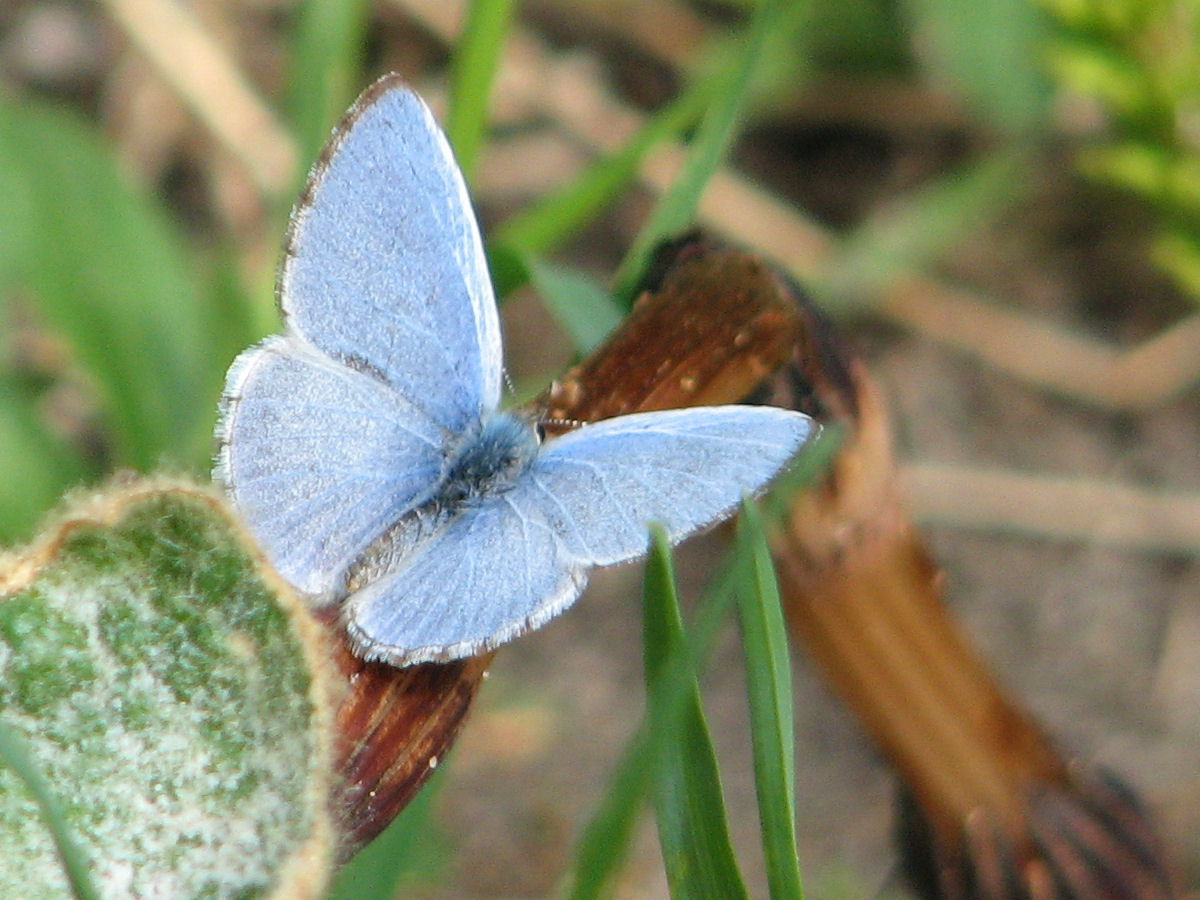
Northern Azure (Celastrina lucia) lives in open savanna across North America. It feeds on nectar and pollen.
Fascinating facts about the Northern Azure
- The butterfly known as Celastrina lucia is called by several common names, including lucia azure, northern azure, eastern spring azure and northern spring azure. All of these names refer to the same species in the Lycaenidae family, which groups together small, often brightly coloured butterflies. This variety of names reflects its wide recognition across its range, yet it remains a single taxonomic entity.
- Celastrina lucia inhabits eastern North America, extending from the Maritimes in the north down through the Appalachian Mountains to West Virginia in the south. Within this range it occupies a variety of forested habitats where its host plants grow. The species is active as an adult from April through July, a period that covers its entire flight season across the region.
- The wingspan of Celastrina lucia measures between 22 and 35 millimetres, placing it among the smaller butterflies in its family. Every recorded individual falls within this size range, indicating a consistent adult morphology across its distribution. This modest wingspan supports its agile flight during the brief spring and early summer months when it is on the wing.
- The caterpillars of the northern azure rely on plants in the Vaccinium genus for food, with Vaccinium pallidum specifically recorded as a host. These host plants grow throughout the butterfly's eastern North American range, which stretches from the Maritimes down the Appalachian Mountains to West Virginia. By feeding on these shrubs the larvae obtain the nutrients needed to develop before pupating into adults.
- Adult northern azures take to the air in the spring and remain active until midsummer, with flight recorded from April through July. During this period the butterflies are sexually dimorphic, showing distinct colour patterns between males and females. Their modest wingspan of 22 to 35 mm enables agile flight as they search for mates and nectar across their forest habitats.
Sources
Every fact above was checked against these pages, and kept only where one of them states it.
At a glance
RangeNorth America
HabitatOpen savanna
DietNectar and pollen
About the Northern Azure
In the ephemeral dance of sunlight and shadow, the Northern Azure butterfly flutters with an air of ethereal delicacy, its iridescent wings beating at a hypnotic pace as it navigates the lush tapestry of its forest habitat. With each delicate touch, it sips nectar from the tender blooms that dot the landscape, its slender body swaying gently in the breeze like a leaf on an autumn stream. As it flits from flower to flower, the Northern Azure leaves behind a trail of whispered promise, a fleeting glimpse of beauty that dissolves into the shimmering air like a wisp of morning mist.
Hear the Northern Azure, and 4,400+ more
Real recorded sounds, 11 nature games and a free Daily 5, 1v1 quiz duels, conservation wins and a safe Kids mode. Free on Feravox.
More insects and spiders to discover