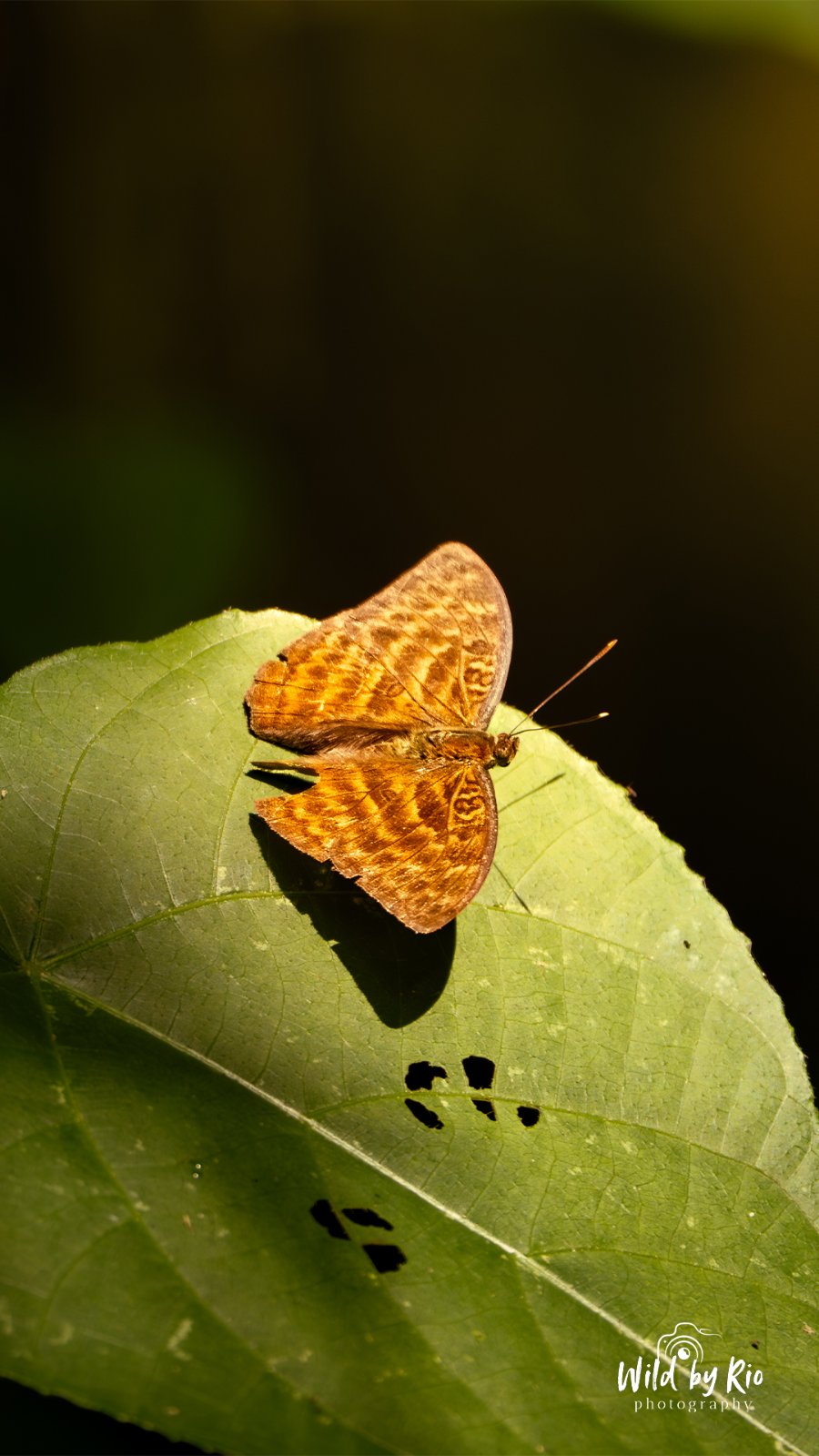
Photo: Rianne Dames
Feravox · The Voice of the Wild
Bebearia cottoni
Bebearia cottoni
Data Deficient
Bebearia cottoni (Bebearia cottoni) lives in tropical forest across West Central Africa. It feeds on nectar from forest flowers.
Every fact above was checked against these pages, and kept only where one of them states it.
The Bebearia cottoni, a medium‑sized nymphalid butterfly, flaunts a subtle tapestry of chocolate‑brown wings brushed with iridescent amber veins and a delicate white sub‑marginal band that flickers like moonlight on wet bark. Its undersides mimic the dappled forest floor, complete with leaf‑shaped eyespots that deter avian predators. Endemic to the dense, ever‑green rainforests of the Congo Basin, particularly the lowland primary forests of Cameroon, Gabon and the Republic of the Congo, this species thrives in the humid understory where filtered light creates a mosaic of shadow and sun. Adults are most active at dawn and dusk, skimming the understory in a slow, wavering flight that allows them to inspect fermenting fruit and sap‑laden tree trunks for nourishment. Larvae specialize on young shoots of Marantaceae host plants, where they conceal themselves beneath a silk‑lined leaf‑roll, feeding voraciously before pupating within the leaf litter. A surprising trait sets B. cottoni apart from its congeners: males emit a faint ultrasonic click during courtship, a by‑product of wing‑scale vibration that appears to startle insectivorous bats and may also signal fitness to rivals. This acoustic quirk, coupled with the butterfly’s ability to sequester ethanol‑derived alkaloids from overripe fruit, renders it mildly toxic, granting a rare chemical shield in a habitat where visual camouflage is the norm.
Habitat: tropical forest.
Real recorded sounds, 11 nature games and a free Daily 5, 1v1 quiz duels, conservation wins and a safe Kids mode. Free on Feravox.