Photo: Murphy Tladi
Feravox · The Voice of the Wild
Anomalous Emperor
Gonimbrasia belina
Not Evaluated
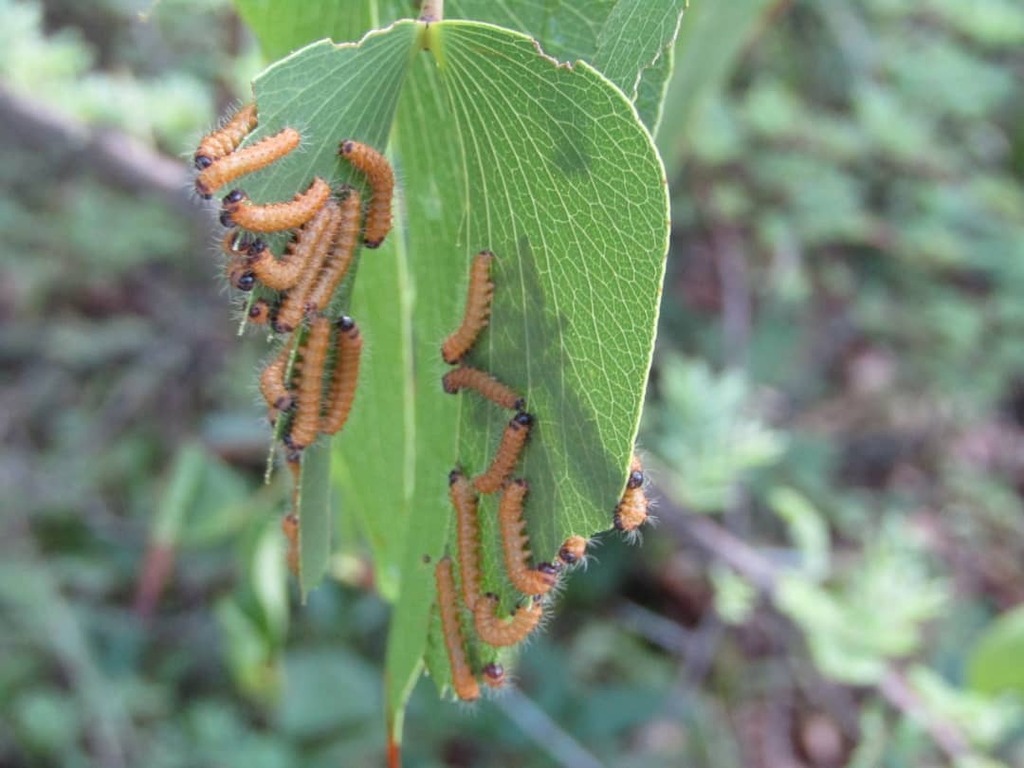
Anomalous Emperor (Gonimbrasia belina) lives in semi-desert bushveld grassland across southern Africa. It feeds on mopane leaves and other foliage.
Gonimbrasia belina, the Anomalous Emperor, unfurls a wingspan of about 120 mm, its fawn-tinged wings rippling through shades of green, brown and occasional red, each bisected by stark black-and-white bands that frame vivid orange eyespots on the hindwings. Males are distinguished by feathery antennae that sweep the summer air in search of mates, while the larvae, black bodies speckled with alternating whitish-green and yellow bands, bear short, black or reddish spines cloaked in fine white hairs. These caterpillars, popularly known as mopane worms, are voracious herbivores, primarily devouring the leaves of the mopane tree (Colophospermum mopane) but also feeding on a suite of indigenous plants such as Carissa grandiflora, Diospyros, Ficus, Rhus, Sclerocarya afra, Terminalia and Trema, and even exotic mango leaves when available. After four molts, the mature larvae burrow underground to pupate, a transformation that occupies the winter months for six to seven months before the adult moth emerges at the onset of the southern summer in November or December, living only three to four days to mate and lay eggs. A surprising trait of this species is its ecological paradox: while the larvae can strip up to ninety percent of mopane foliage, the host trees quickly regenerate new tender leaves, sustaining both the insects and the browsing mammals that rely on the same foliage, a delicate balance that underscores the worm’s role as both consumer and inadvertent forest caretaker.
Real recorded sounds, 11 nature games and a free Daily 5, 1v1 quiz duels, conservation wins and a safe Kids mode. Free on Feravox.