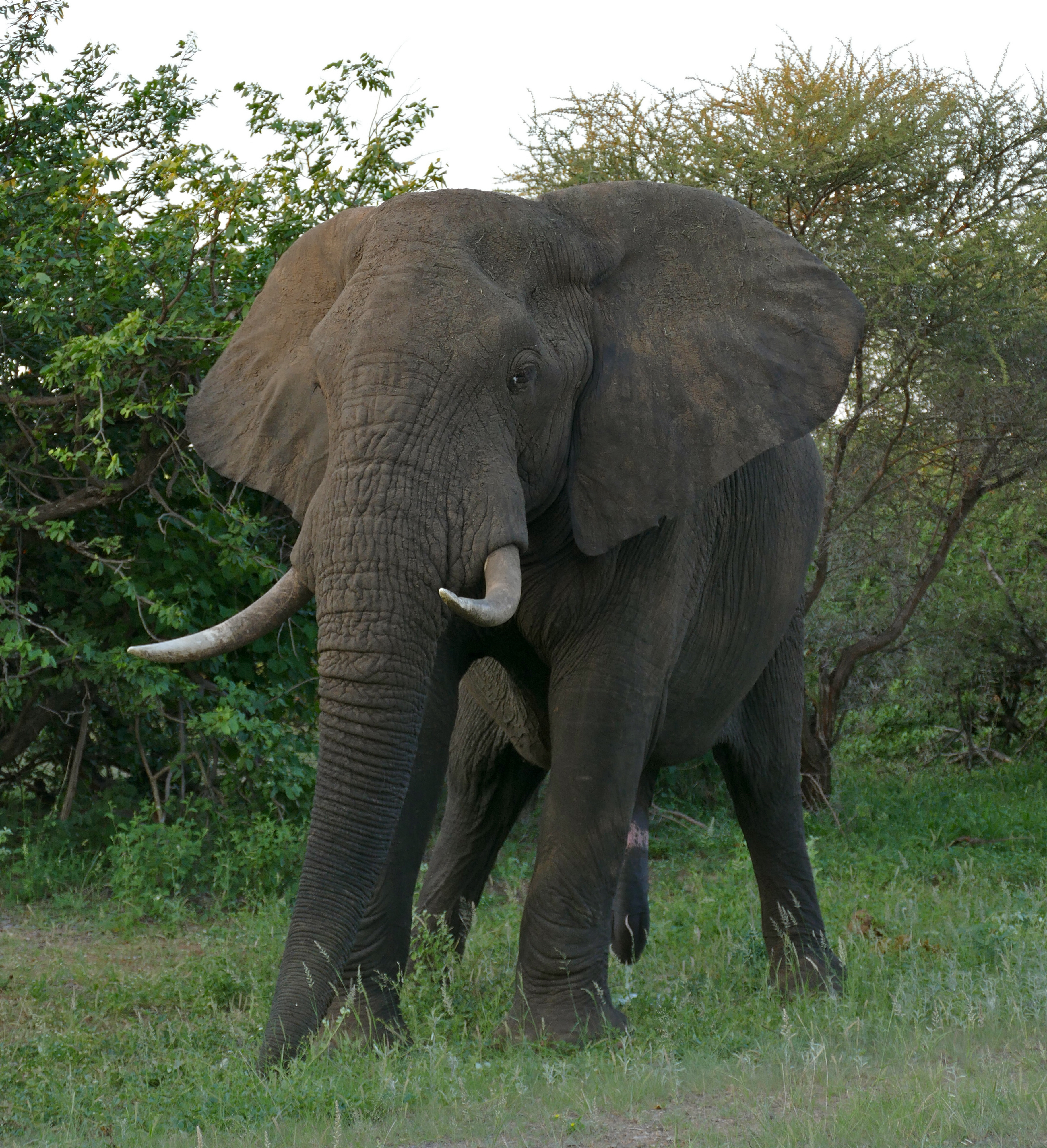
By the 1980s, poachers were killing tens of thousands of African elephants every year and entire herds were disappearing. The 1989 CITES ban on the international ivory trade is widely credited with halting the collapse. Illegal poaching and habitat fragmentation remain serious threats — but the ban gave the species a crucial lifeline.
The Scale of Killing
By the late 1980s, poachers were killing 70,000 African elephants a year for their ivory. Populations had collapsed by half in a decade. In 1989, CITES imposed a global ban on the international ivory trade — one of the most consequential wildlife decisions of the 20th century.
The effect was near-immediate. Ivory prices crashed. Poaching rates fell. Elephant populations in eastern and southern Africa began recovering. In some areas, populations have doubled since the ban.
An Ongoing Fight
>> "The 1989 ban was a victory — but the story of elephants is not over, and may never be, as long as demand persists."
But the story is complicated. Illegal poaching resurged in the 2000s, driven by demand in Asia. Central African forest elephants — a distinct species — remain critically endangered. And ongoing debates about legal ivory sales in some southern African countries threaten to reopen trade loopholes.