Yellow-crowned Night Heron: a two-minute wildlife lesson
Waiting at a crayfish burrow, this heron stands facing the sun, so its shadow never falls across the hole and warns the crayfish.
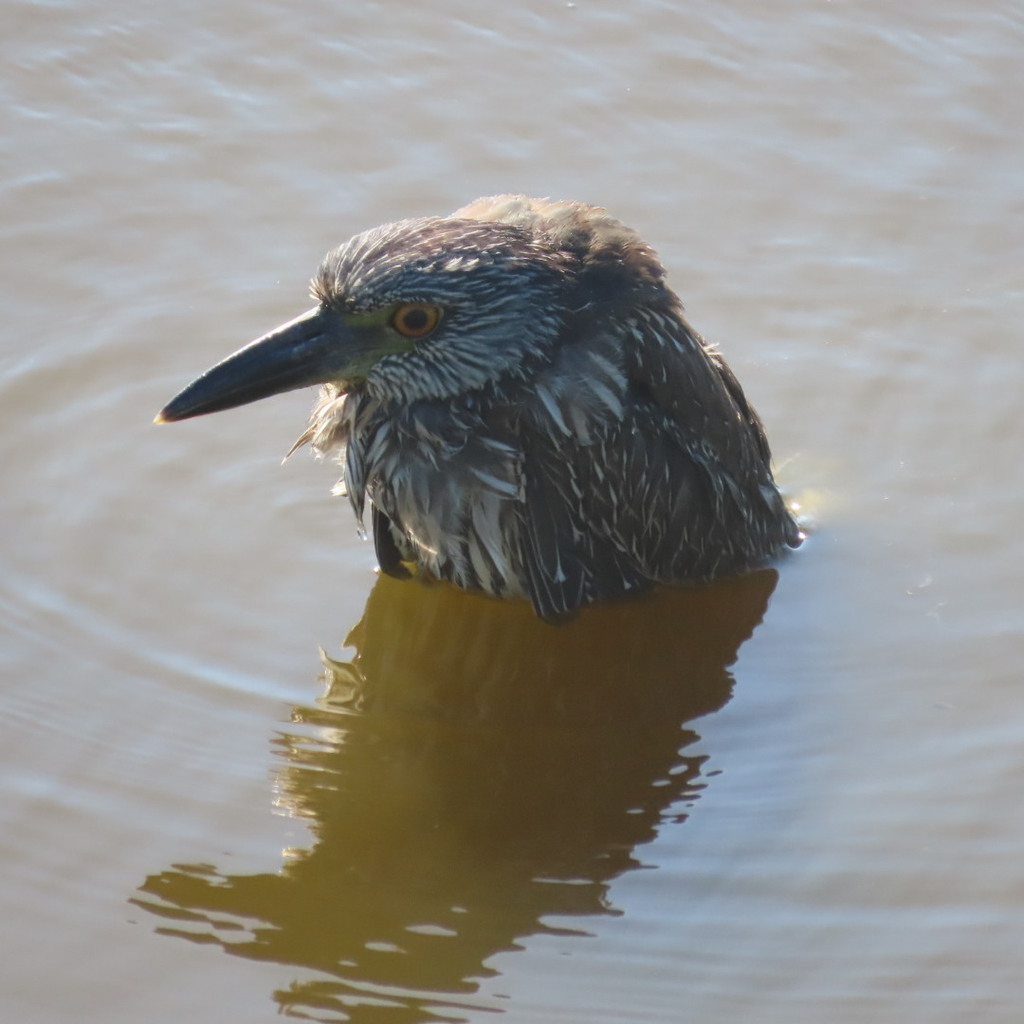
Herons, Egrets and Pelicans · day 2 of 7
Five facts
- Waiting at a crayfish burrow, this heron stands facing the sun, so its shadow never falls across the hole and warns the crayfish.
- Its chicks beg from any adult that comes near. But parents know their own young and chase other chicks away.
- Unlike its black-crowned cousin, it does not mind people. It may live in leafy neighbourhoods and even nest on rooftops.
- For this heron, building the nest is part of courting. A pair may reuse the same nest for years, making it bigger each season.
- Crabs are its main food, and its nesting season starts when crabs come out in spring. In some tropical places, it can breed all year.
The quiz
1. Why does the heron face the sun when waiting at a crayfish burrow?
- To keep its shadow off the hole (correct)
- To warm its feathers
- To see its reflection
- To dry its wings
A shadow over the entrance would alert the crayfish.
2. What do yellow-crowned night heron parents do with chicks that are not their own?
- They adopt them
- They feed them first
- They drive them away (correct)
- They teach them to fly
Adults recognize their own chicks and refuse to feed other young.
3. Where might a yellow-crowned night heron build its nest in a town?
- Inside a chimney
- On a rooftop (correct)
- Under a bridge in the water
- In a hole in the ground
It does not mind people and can nest on rooftops in wooded neighbourhoods.
4. What can a pair do with its nest over the years?
- Abandon it after each egg
- Let other birds raise chicks in it
- Burn it down
- Reuse it and make it bigger every season (correct)
Pairs may keep one nest for years and enlarge it every season.
5. What does this heron's nesting season depend on?
- The first snow
- The longest day of the year
- Crabs coming out in spring (correct)
- The arrival of mosquitoes
It nests when crabs emerge in spring, so the timing varies from place to place.
More about the Yellow-crowned Night Heron
Same week
Today’s lesson is waiting
Two minutes a day, a new wild animal. Free on iPhone, Android and the web.
Hear them, don't just read about them
Feravox is a free wildlife app: 4,400+ species with real recorded sounds, 11 nature games and a free Daily 5, 1v1 quiz duels, conservation wins, and a safe Kids mode.