Red-spotted Admiral: a two-minute wildlife lesson
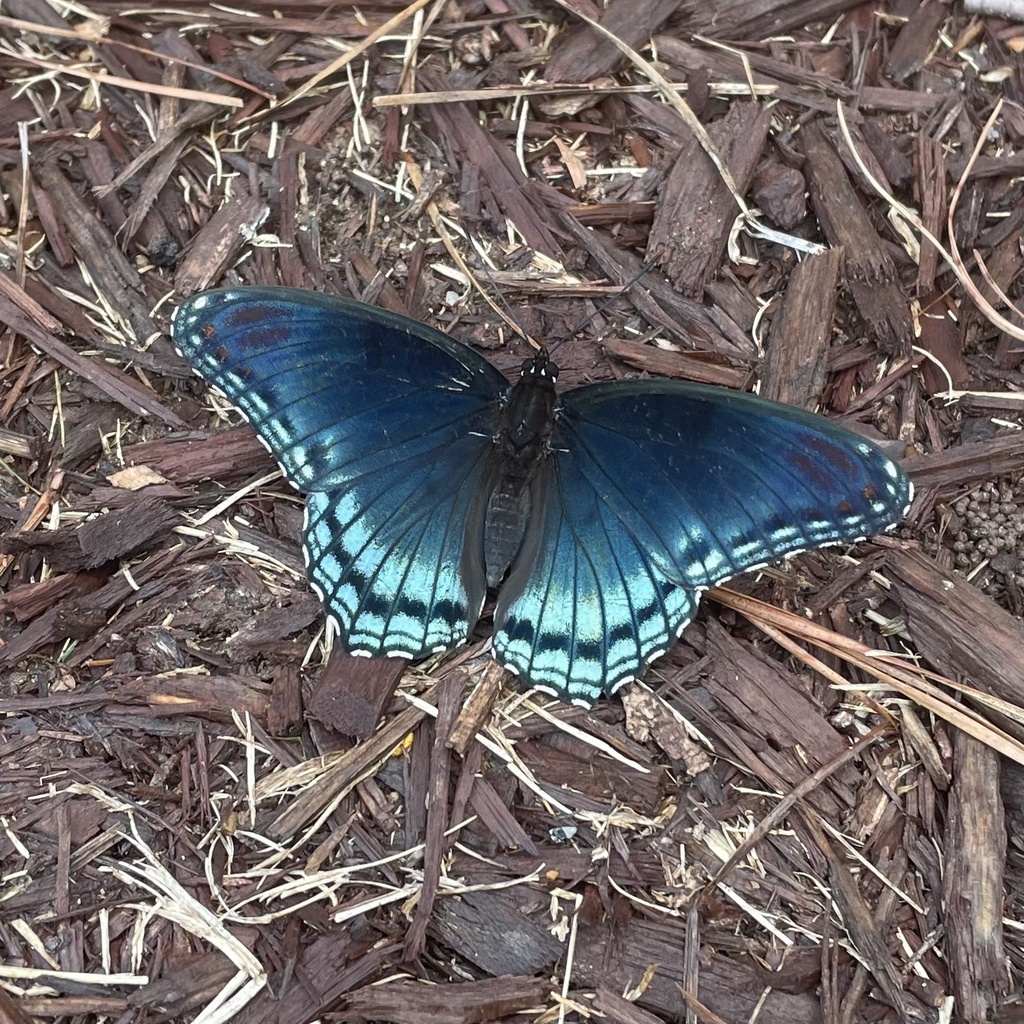
One species, two looks. Northern ones, called white admirals, wear a bold white band. Southern ones, red-spotted purples, have none.
Butterflies of the Americas · day 1 of 7
Five facts
- One species, two looks. Northern ones, called white admirals, wear a bold white band. Southern ones, red-spotted purples, have none.
- The southern form is safe for birds to eat, but its dark wings with shiny blue copy a bad-tasting butterfly, the pipevine swallowtail.
- A female lays her egg at the very tip of a leaf, right where the leaf gets as narrow as the egg itself.
- Many caterpillars stop growing when half-grown. They build a little winter shelter and sleep there until spring.
- When two males clash over a patch, they fly round in circles. Then the winner chases the loser away.
The quiz
1. What do northern white admirals have that southern red-spotted purples lack?
- Long tails on the wings
- A bold white band (correct)
- Bright yellow eyes
- Green wing tips
The white band marks the northern form; the southern form has none.
2. Which butterfly does the red-spotted purple imitate?
- The monarch
- The mourning cloak
- The pipevine swallowtail (correct)
- The zebra longwing
It copies the dark wings and shiny blue of the bad-tasting pipevine swallowtail.
3. Where on a leaf does the female lay her egg?
- At the very tip (correct)
- Under the leaf stalk
- In the middle of the leaf
- On the ground below the leaf
Eggs go at the very tip, where leaf and egg are the same width.
4. How do many of these caterpillars get through the winter?
- They fly south to Mexico
- They burrow deep underground
- They live inside ant nests
- They sleep half-grown in a little shelter (correct)
Half-grown caterpillars build a winter shelter and hibernate until spring.
5. How do two rival males settle a dispute?
- They sing at each other
- They fly in circles, then one chases the other off (correct)
- They share the patch peacefully
- They wrestle on the ground
The contest is a circling flight, then the loser is chased away.
More about the Red-spotted Admiral
Same week
Today’s lesson is waiting
Two minutes a day, a new wild animal. Free on iPhone, Android and the web.
Hear them, don't just read about them
Feravox is a free wildlife app: 4,400+ species with real recorded sounds, 11 nature games and a free Daily 5, 1v1 quiz duels, conservation wins, and a safe Kids mode.