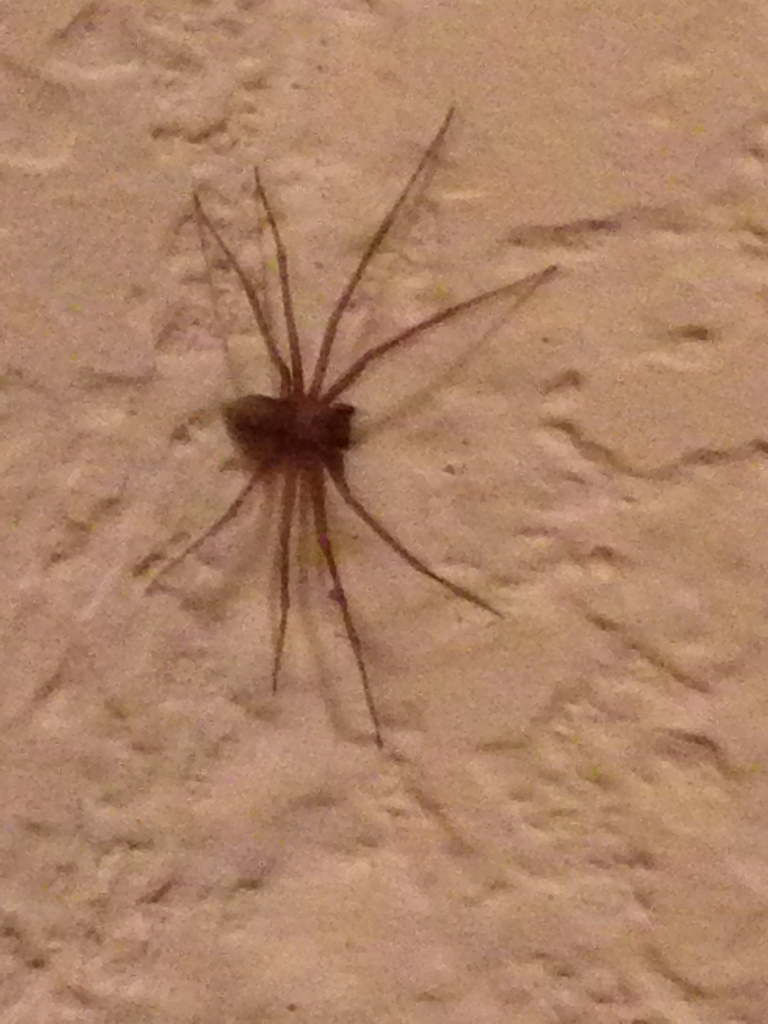
Brown Recluse Spider (Loxosceles reclusa) lives in forest across Southeastern United States. It feeds on insects and flies. Its conservation status is Least Concern.
Fascinating facts about the Brown Recluse Spider
- The brown recluse's native belt stops just south of a line running from southeastern Nebraska through southern Iowa, Illinois, and Indiana to southwestern Ohio. Yet a nationwide study of self-reported sightings showed that out of 581 California submissions only one was a true brown recluse, while in Missouri, Kansas and Oklahoma between 75% and 90% of the specimens were genuine.
- An adult brown recluse lives only one to two years, yet a single female can lay several egg sacs between May and July, each holding about 50 eggs. Those eggs hatch in roughly a month, and the tiny spiderlings need a full year to reach maturity. Even under harsh conditions the species can endure up to six months of extreme drought without food or water, and one captive individual survived five seasons without eating.
- Only a minority of brown-recluse bites cause serious damage: in a clinical survey skin necrosis appeared in 37% of cases, while systemic illness was recorded in 14%. L. reclusa can produce slightly more than 0.1 µL of venom, though the average yield is less. Children under seven and people with weak immune systems are most at risk, accounting for most fatalities. These numbers show that while the venom is potent, severe outcomes are rare and largely tied to vulnerable hosts rather than the spider's aggression.
- When threatened, a brown recluse can drop a leg, a defense called autotomy, that stops predators from pulling venom deeper into its body. Unlike many spiders, once a leg is lost it never grows back, and each loss forces the spider to alter its gait to stay mobile.
- Brown recluses spin irregular, asymmetrical webs that often include a tangled shelter. They favor dry, undisturbed spots such as woodpiles, sheds, closets, garages, plenum spaces and cellars, and inside homes they seem to prefer cardboard because it mimics the rotting bark of their natural forest habitat. Human encounters usually happen when someone disturbs these hidden retreats, prompting the spider to bite as it feels threatened.
Sources
Every fact above was checked against these pages, and kept only where one of them states it.
At a glance
RangeSoutheastern United States
HabitatForest
DietInsects and flies
About the Brown Recluse Spider
In the shadowy recesses of abandoned dens and crumbling stone, the brown recluse spider weaves its unassuming presence, a master of understated elegance as it glides with deliberate slowness across the dusty terrain. With eyes that shine like muted jewels in the faint light, this enigmatic arachnid navigates its domain with a quiet confidence, its delicate legs a testament to the intricate beauty that belies its venomous reputation. As it moves, the brown recluse leaves behind a whispered trail of silk, a ghostly signature that haunts the hidden corners of its world.
Hear the Brown Recluse Spider, and 4,400+ more
Real recorded sounds, 11 nature games and a free Daily 5, 1v1 quiz duels, conservation wins and a safe Kids mode. Free on Feravox.
More insects and spiders to discover